BlackWall
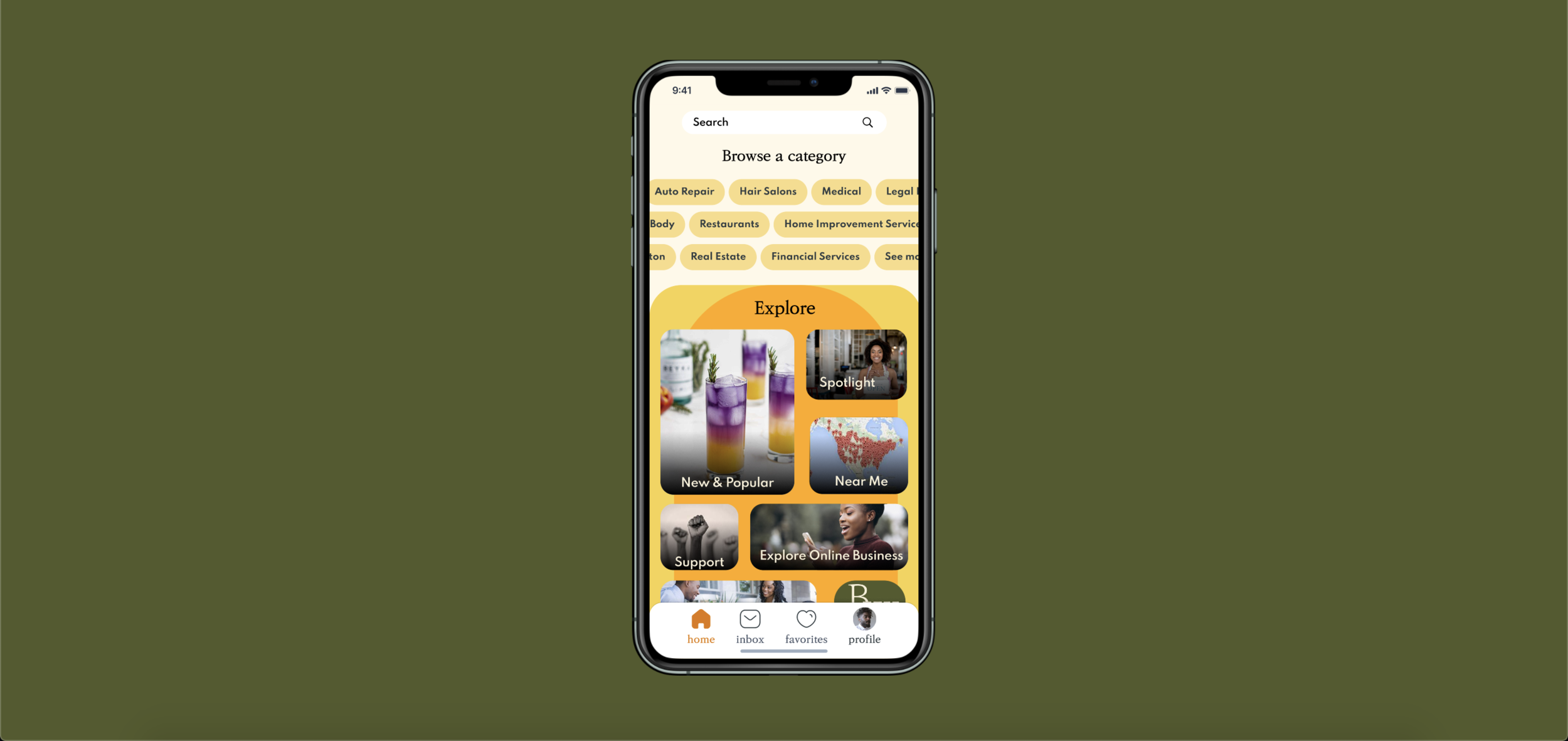
BlackWall makes it easier to find and support black-owned businesses in your area.
Summary
Project Title: BlackWall
Rebuilding the spirit of Greenwood in the palm of your hand.
My Role
UX Researcher and Lead Designer
About This Project
The ultimate goal of BlackWall is to introduce an MVP that spearheads a universe of apps that make it easy to provide targeted monetary support to underserved communities. The mission of BlackWall is to honor, replicate, and rebuild the success of America’s now destroyed Black Wall Streets (epicenters of Black-Owned businesses) while streamlining and strengthening the economic health of the Black community. The purpose is to fortify a dynamic platform that can maintain long-term growth in an age of trend-driven consumerism. This goal is informed by the belief that in order to bolster a lasting community and encourage growth, we must ride the wave of time and make it easier for niche communities and their allies to keep dollars in the community while looking out for the growth of those same communities from within.
The Problem
During the Covid-19 pandemic, the way that we do business in America has changed irreversibly in many ways. Because of this, many small businesses have fallen by the wayside. In fact, by August 2020, just 5 months into the pandemic, nearly half of the registered Black-Owned businesses were forced to close due to lack of funding and support. Long story short, it’s easy to find a relevant cluster of brands and businesses here and there, but there is not currently a well-known directory with a wide variety of pre-vetted Black-Owned businesses.
Solution
Rebuilding the spirit of Greenwood in the palm of your hand.
By surveying and interviewing consumers about their shopping habits, then further interviewing individuals who are specifically interested in patronizing Black-owned businesses, and finally, performing in-depth competitive analysis on existing crowd-sourced review directories, I was able to formulate a minimum viable solution that presents users with a crowd-sourced selection of Black-owned businesses across every industry. This solution boasts an inviting, informative, and robust interface that presents the user’s with a highly tailored offering of everything from restaurants to self-defense training to hair salons to licensed medical professionals.
Process
User research
I began my user reach process by asking a series of questions in the hopes of exposing my gut assumptions about what the user might need, how I might meet those needs, and what sort of things would get in the way. By posing an array of “how might we…” centered questions, I translated those questions into goals. How might we...
Do most of the leg work (research/certifying) for our users
Create a time-saving solution?
Create an accessible solution?
Provide users with a dynamic platform that updates regularly?
Give users a way to interact with businesses?
Find businesses that we don't know about yet in an efficient way?
Allow users to provide feedback for other users?
Suggest relevant entries to users?
Provide users with a reliable source of information?
Appeal to our user's sense of responsibility to the community without guilting them?
Encourage users to try new things?
Highlight special subcategories like eco-friendly or socially responsible?
After asking myself those questions, and many more, with the main goal of covering as many bases as possible, I decided that the next logical course of action was to ask the users. Because I was ultimately concerned with creating a versatile product that could later be used within other niche communities, I focused the quantitative aspect of my questioning on uncovering general consumer trends. I wanted to know how and why people shop, how they determine what businesses to give their money to, what are their biggest motivations when choosing one product over another, who would be my most highly valued competitor, and most importantly, who I actually had access to in terms of demographic makeup. Many of the things that I found were no surprise.
Unsurprisingly, I found that:
90% of users find crowd-sourced reviews found crowd-sourced reviews to be helpful
95% of users welcome suggestions of some kind
85% of users request recommendations from friends and family when trying a new product
Price and customer feedback (quality) were the most indicated categories used to determine whether or no to purchase a product online
76% of users were most satisfied with products they bought based on suggestion
61% of users equally care about supporting niche communities and supporting eco-friendly brands
55% of users were somewhat likely to choose a product based on sponsored suggestion
52% of shoppers primary goal is to get what they need
84% of users like to try new things
In terms of who my target demographic is:
71% of users were aged 25-40
35% of users surveyed were Black
52% of users identify as female
38% of users earn $25-50k/ year
What was most surprising to me was the fact that most of the users surveyed actually did place a high emphasis on supporting niche communities and eco-friendly brands. While I did expect a number of users to indicate these values, I was thrilled to find that over half of the individuals surveyed indicated that they care about that extra step, beyond just the products they sought out.
To even further delve into what users might need on a qualitative scale, I began to ask the following questions:
How would you expect to be able to find a business?
How much time do you usually spend searching for Black-owned/small Businesses?
Tell me about the last time you tried to search for a Black-owned/small business or product?
What did you enjoy about that experience?
What is the biggest pain point related to shopping at Black-owned/small businesses?
What types of workarounds have you come up with?
Have you ever used other apps to help find Black-Owned/small businesses?
When you're shopping with an app, what form of payment do you use most often?
What is one thing you love about apps like yelp, trip advisor, or foursquare?
Is there anything that you think is missing from crowd-sourced reviewing apps like the ones mentioned above?
What do you expect to gain from shopping apps?
What would prevent you from using a shopping app?
How do you feel about mobile/contactless payment?
In interviews, I found that one of the biggest obstacles to supporting community business was the difficulty in verifying whether or not it was actually Black-owned. Most of my interviewees indicated that they often spend a great deal of time, simply trying to find out if a business that presents itself as catering to the Black community is actually Black-owned. This poses a moral dilemma for users who want to ensure that they are supporting their community; they must either prove their dedication by sacrificing time that most people, quite frankly, do not have, or they risk being Black-fished by corporate machines that seek to exploit the literal face value that Black influencers possess.
The second biggest pain point that several users echoed goes hand in hand with the first. Users found that the lack of transparency in how most outlets define and verify the Black-owned claim was faulty. This inability to trust the verification process again left users at the square one of attempting to do the work themselves either through hours of research.
Needless to say, the next challenge I faced was to find out what my competitors were doing to support these users and what more could be done.
Competitive analysis
When defining what type of app would best suit the needs of the users, I began to compare many different platforms. One interesting thing I found was that, although there are a few well-known outlets for very specific types of Black-owned businesses, there seems to be a void in the market where an actually viable directory should be. Because of this, I was faced with a wealth of competitors but none that were doing exactly what I set out to do. With this in mind, my competitors are as follows:
Google Reviews
Google Reviews is one of the most widely used crowd-sourced reviewing outlets and, although there is no standalone app, the feature works seamlessly across Google’s broad web of product offerings with prominent integration on Google Maps. Its effectiveness stems widely from the fact that the feature works very well to present users with product reviews with very little additional leg work outside of what the user would normally do to find a product. The downside of this service is that there is no clear indicator of who owns each business that is listed, and when searching for ‘Black-owned businesses near me' for example, the user can be shown many results may not actually fall within the Black-owned category. In order to receive Google’s “Black-Owned” distinction, the business owner simply has to check a box to identify as such. This is cool for ease of access but it could lead to businesses falsely claiming to be Black-Owned.
Yelp
While Google Reviews is likely used more these days, Yelp is the industry household name that pops into many minds when considering the overall format of crowd-sourced reviews. Yelp boasts the ability to connect people with great local businesses in every city and offers a massive selection of businesses to choose from in virtually every category under the sun. It has been around long enough to nearly perfect how it organizes its information and usually does a good job of providing the user with what they need. But Yelp does fall short in a few noticeable ways; users find it extremely frustrating that a mobile site presents the user with a download wall which allows the user to see certain bits of information but incessantly prompts the user to download the application for a full view. In addition, while the layout presents information in an easily distinguishable way, the design of the site leaves much to be desired. Users complained that it felt sterile and impersonal, and they also complained that sponsored results did not always appear to be logistically accessible. One user was shown results for an area that was over an hour away from them via public transportation which is the major mode of transportation in their area of NYC. In addition, a downside of this platform is that the user could wind up on an incomplete/unclaimed page since the app allows users to add a business to the directory, even without the business claiming and verifying. Lastly, this is another app that allows the business to self-identify which could pose a problem for businesses that don’t know how to opt-in or for business owners who simply never claim their page.
Tripadvisor
this application features a friendly UI with suggestions for things to do around the world and ratings to match. It offers a variety of options for the user to choose from and does a great job of presenting the user with a broad overview of the most relevant information for that business. The downside is that this app is geared mostly toward travel experiences. This means that even though the user may see local entries, those will always be shown in secondary order to anything the user searches outside of their area. While this works well for their target niche, I aim to create something that has a clearer place in everyday life.
Foursquare
Foursquare boasts the ability to connect users with “the best places to eat, drink, shop, or visit in any city in the world” its color-coded rating system and their use of hero quotes that sum up the overall attitude of the ratings makes it easy to distinguish information at a glance. Additionally, the simplicity of the layouts and overall structure make the platform relatively easy to use. The downside is that the visual aspect leaves much to be desired. It’s clear from a glance that this app was designed to prioritize a condensed form of information. Personally, I find that the lack of pleasure I gain from looking at the app has always left me wanting to choose competitors. With all due respect, it's like the creators designed it in 2009 and never looked back. There’s just something about the dated minimalism that makes this app seem less functional than it actually is. Functionally, I would say that it's a major contender for what I want to create in every way except that it doesn’t clearly indicate Black-owned businesses. But holistically, I’d send this app into the green room for a visual revamp ASAP.
All in all, I came to these conclusions through analysis via a competitor matrix, pictured below.
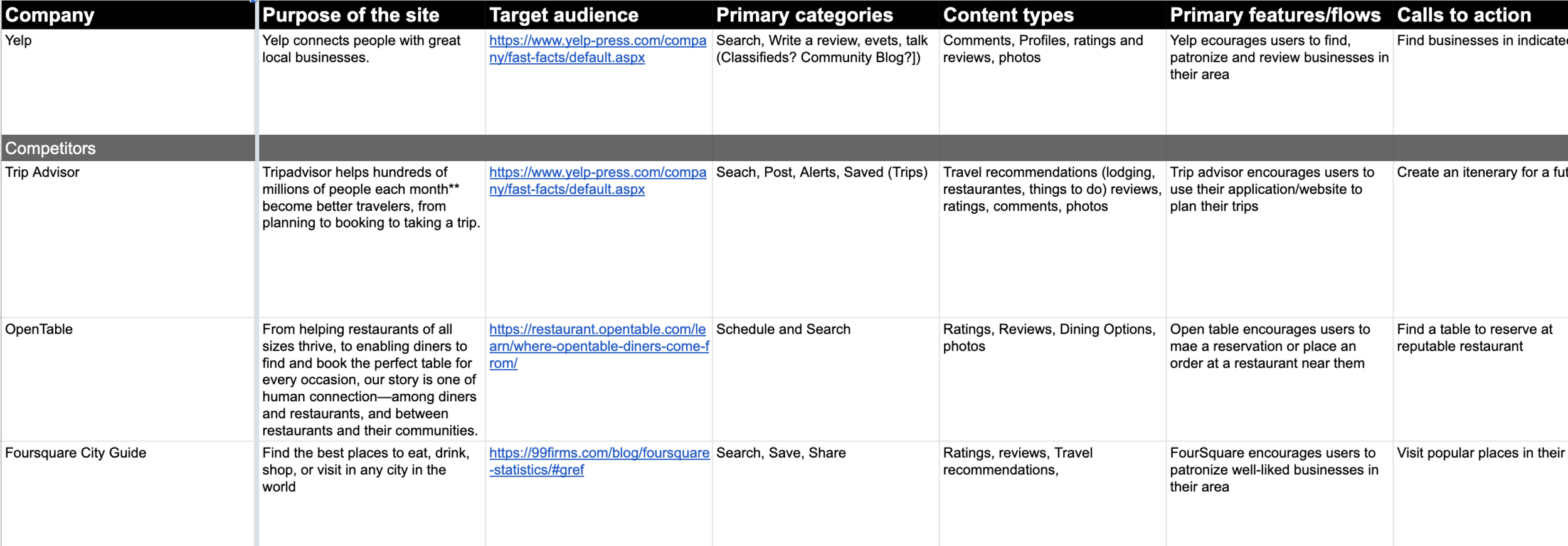
To me, the Competitor Matrix method of investigation was most helpful because the format allowed me to quickly compare and contrast very detailed aspects of the business and perform SWOT analysis all in one visual space.
User personas
For this segment of the project, I thought it best to create 3 personas, one for each of the user types that stood out most to me in the survey/interview phase.
Target 1- The business owner
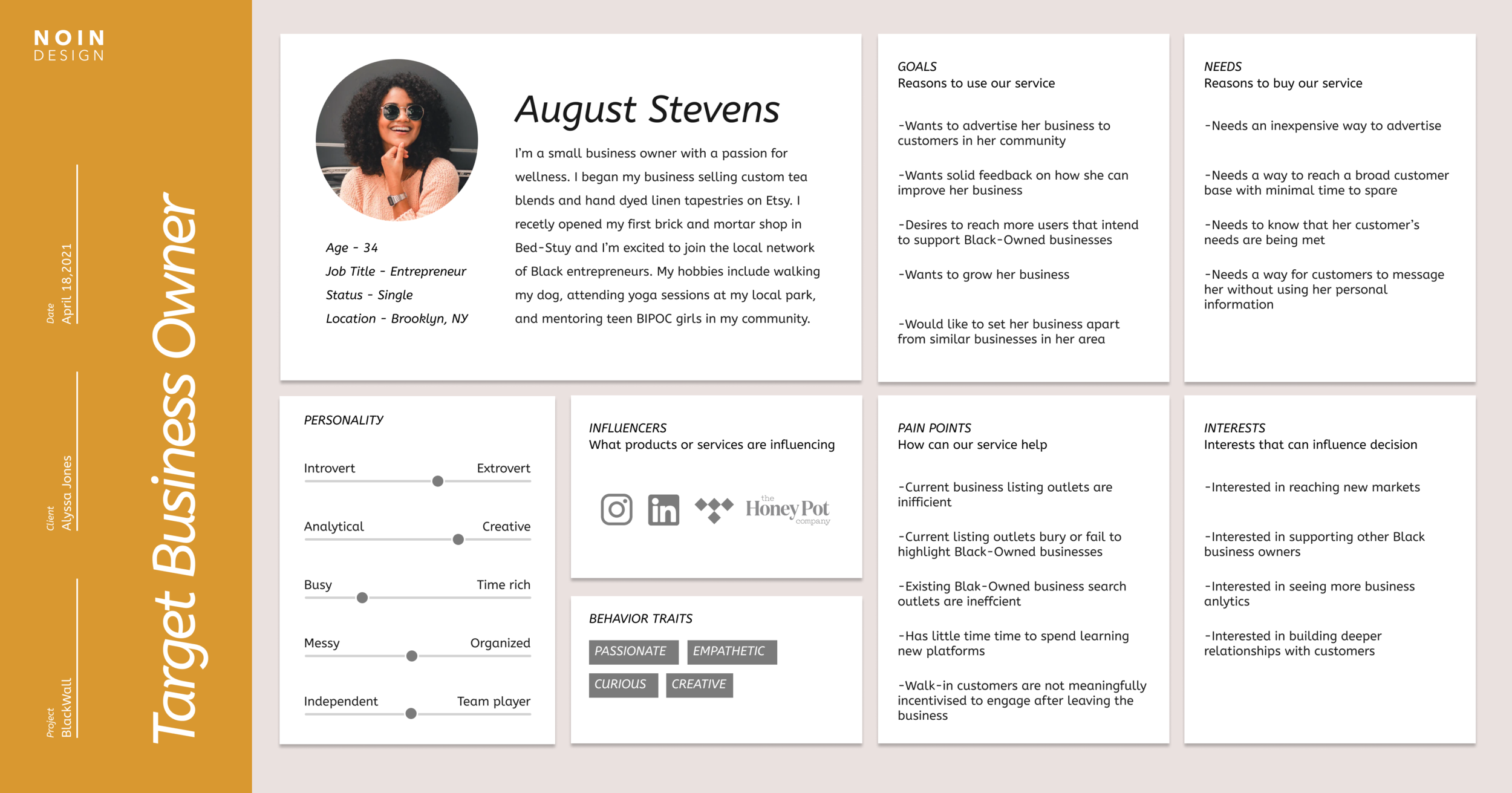
The first persona, August Stevens, represents the type of business owner that falls into the target demographic. According to a 2019 study of small businesses, Millennial business owners (currently aged 24-40) are the most diverse group of small business owners to date. Pictured above, August Stevens describes herself in the following way:
“I’m a small business owner with a passion for wellness. I began my business selling custom tea blends and hand-dyed linen tapestries on Etsy. I recently opened my first brick-and-mortar shop in Bed-Stuy and I’m excited to join the local network of Black entrepreneurs. My hobbies include walking my dog, attending yoga sessions at my local park, and mentoring teen BIPOC girls in my community.”
August can be described as a busy, creative, extrovert who is passionate, empathetic, and curious about life. August is driven to support other Black-owned and ethical businesses like TIDAL and The Honey Pot, but she also loves the exposure that Instagram gives her business and appreciates the ability to network through LinkedIn.
She uses BlackWall to advertise her business to members of her community and receive feedback on how to improve her business. She also wants to reach more potential customers who, like her, seek out Black-Owned businesses and she would also like to use the app to help her research ways to distinguish her business from similar businesses in the area.
Her pain points within the current system outlets are inefficient in that they take up a lot of time, they fail to sufficiently highlight Black-owned businesses, searching for those businesses is very time-consuming for potential customers so she loses business, current methods do not adequately incentivize customers to supply feedback, and she does not have the time to learn complicated new platforms.
Because of this, she desires an inexpensive way to advertise, a way to reach a broad customer base with minimal time effort, a way to know that she is meeting her customer’s needs, and she needs a way for customers to reach her without bogging down her usual modes of communication.
Lastly, she is interested in the possibility of reaching new markets, supporting other Black business owners, seeing more analytics for her business, and building deeper relationships with her customers.
Target 2- The primary customer
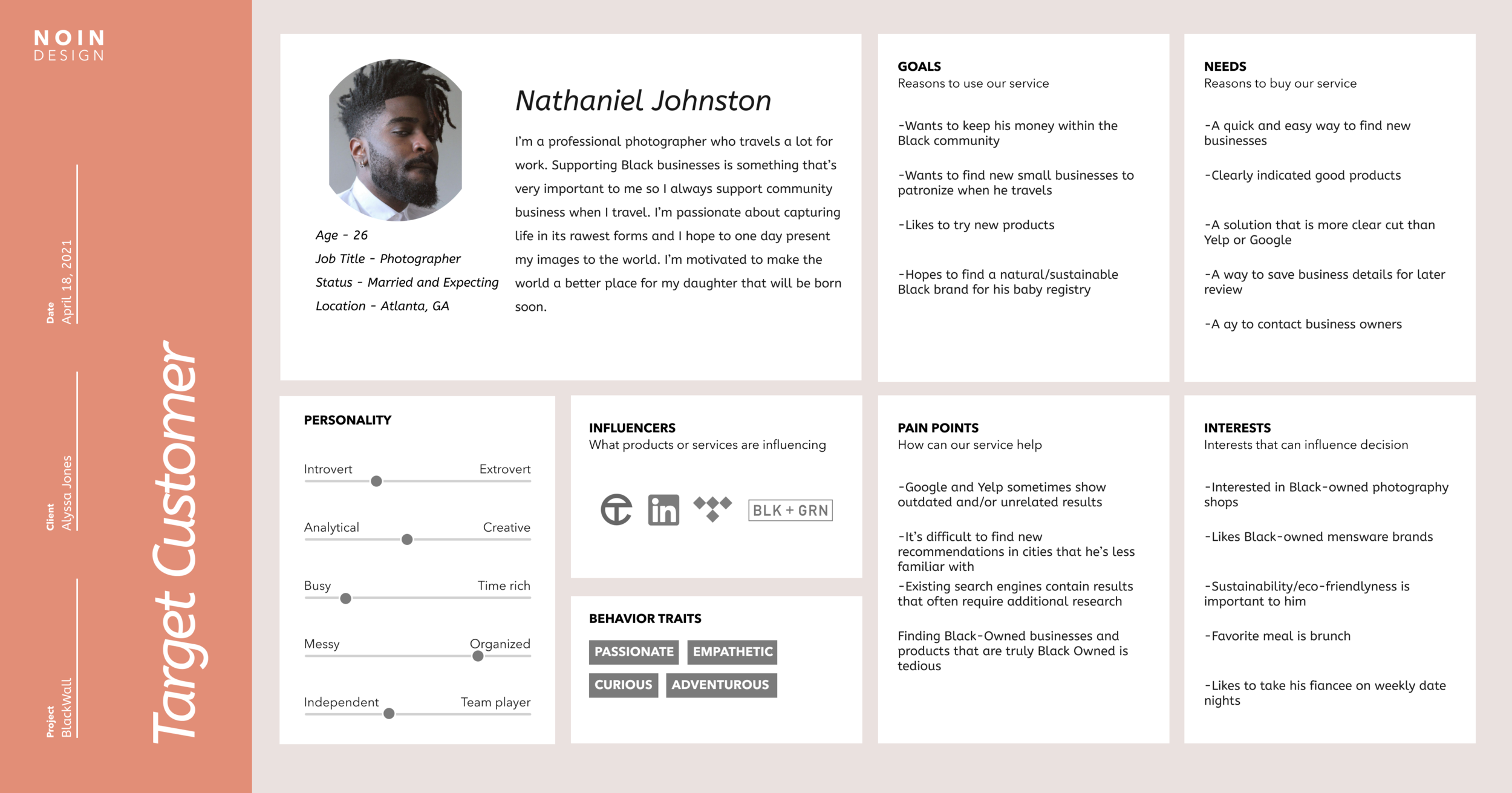
The second persona, Nathaniel Johnston represents the primary customer. He describes himself in the following way:
I’m a professional photographer who travels a lot for work. Supporting Black businesses is something that’s very important to me so I always support community businesses when I travel. I am passionate about capturing life in its rawest forms and I hope to one day present my images to the world. I’m motivated to make the world a better place for my daughter that will be born soon.
Nathaniel can be described as an independent introvert who is analytical, busy, and organized. He is passionate, empathetic, curious, and adventurous. He tries to work his support for Black-Owned businesses into his everyday life so he is greatly influenced by brands like Telfar, TIDAL, Blk+ Grn, and LinkedIn.
Some of his goals include a strong desire to keep his money within the Black community, wanting to find new small businesses to patronize as he travels for work, a desire to try new products with the hope of finding a Sustainable and/or Black Owned brand to use for his baby registry. To reach these goals, he needs a product that would provide him with a quick and easy way to find new businesses, he needs a way to determine whether or not the business provides good products and services, he needs a solution that provides more clear cut solutions than some competitors provide. He also needs a way to save business details for later review and a way to reach business owners.
He is frustrated with his current options because competitors often show outdated or unrelated results. He also finds it difficult to find good recommendations in cities that he is less familiar with. He finds that existing search engines often show results that require additional research to determine the status of the company or to get all of the necessary information. He also finds that finding Black-Owned businesses that are truly Black-owned can be tedious.
He is eager to try the product due to his interest in Black-owned photography shops and menswear brands. He is very fond of sustainability and eco-friendly brands and loves to brunch regularly. He also likes to take his fiancee on weekly dates to try new places.
Target 3- The secondary Customer
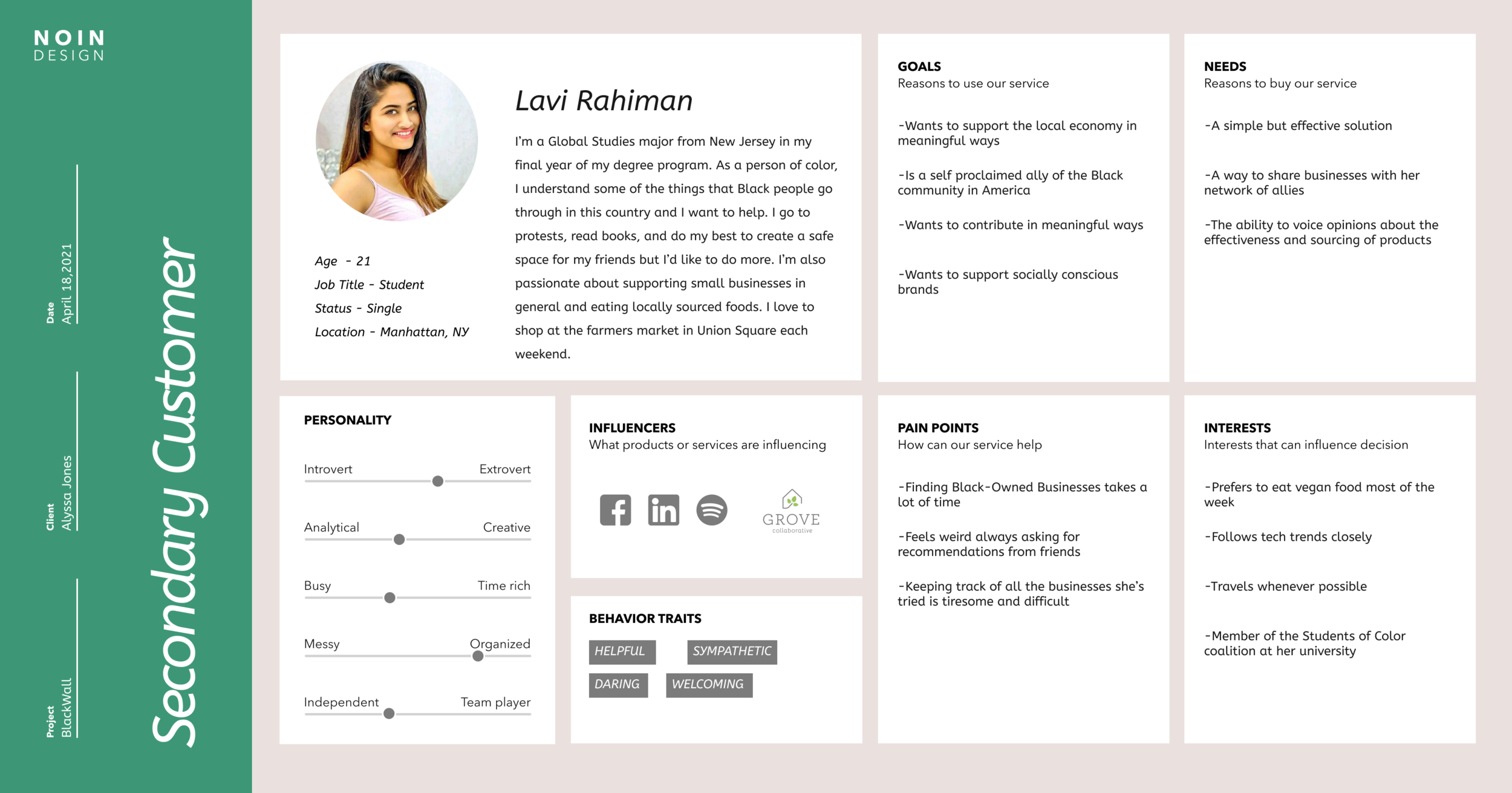
The final customer persona represents the second most prevalent group of individuals who were surveyed and interviewed consists of people like Lavi. She describes herself in the following way:
I’m a Global Studies major from New Jersey in my final year of my degree program. As a person of color, I understand some of the things that Black people go through in this country and I want to help. I go to protests, read books, and do my best to create a safe space for my friends but I’d like to do more. I’m also passionate about supporting small businesses in general and eating locally sourced foods. I love to shop at the farmers market in Union Square each weekend.
She can be described as an analytical extrovert who is organized and independent. She is helpful, sympathetic, daring, and welcoming. She is largely influenced by Facebook, Linkedin, Spotify, and Grove Collaborative.
She is motivated to try out the service because she wants to support her local economy in meaningful ways, she is a self-proclaimed ally who wants to contribute in meaningful ways, and she wants to support socially conscious brands. In order to fulfill her motivations, she needs a simple but effective solution that allows her to share business with her network of allies, and voice opinions about the effectiveness and sourcing of products.
Current pain points include the experience that finding Black-owned businesses takes a lot of time, the awkwardness that she feels when repeatedly asking for recommendations, and the lack of ease when attempting to keep up with all of the businesses she has visited or plans to visit. Outside of these pain points, she is most interested in eating mostly vegan food, follows tech trends closely, and travels whenever possible. Lastly, she is a member of the Students of Color coalition
After forming these personas based on user research and extracting as many pertinent insights as possible, I moved on to the process of defining what each user might need through the use of User Stories.
User stories
For my user stories, I organized the tasks, motivations, goals, and priorities in the following way (pictured below):

I divided each task into smaller subtasks to complete all user stories.
For August (the business owner):
As a new user, August needs to onboard. This is a high-priority task as it will allow her to either create her business profile from scratch or to claim her pre-approved (recommended and researched) business profile and customize it. In order to complete the onboarding process:
August must decide whether to sign up or continue as a guest. To indicate whether or not she has time to set up an account before her search begins. Setting up an account will give access to all save, commenting, profile, and history features. Without signing up for an account, she can only browse and visit businesses. She will not earn rewards and she will not be able to run her business page without onboarding.
To complete onboarding, August must provide the system with her email and phone number in order to provide the system with identifiers.
Next, she needs to create a password in order to keep her account and her information safe.
August needs to re-enter her password to ensure that she entered the correct password.
August needs to submit her information to finalize account creation to complete the creation of her account
August needs to grant the app location permissions to allow the app to provide her with results based on proximity
After creating an account, August needs to get notified. To do this she must:
August needs to grant the app permission to send her notifications to allow the app to send her personalized notifications and reminders that alert her about new reviews and to alert her of personalized offers.
In order to reach her target audience:
August needs to create a business profile. To accomplish this...
August needs to list her business name, address, contact information, pictures, and other relevant business information to make it easy for customers to find
August needs to indicate whether her business sells a product, service, or both and choose categories that her business might fall under to indicate how the app should organize her business so that it may be shown to relevant customers
August needs to make her business public so that customers can find her business
And August needs to supply feedback. To accomplish this…
August needs to respond to reviews, comments, and messages that are submitted to customers to inform other members of the community about the quality of the business and what to expect and maintain the business' rating within the community.
Some optional stories also came to mind while drafting narratives:
After creating a profile, August should boost her business. To do this…
August needs to curate an ad for the business so that her business can be advertised to relevant users
And after downloading the app, August should nominate other businesses. In order to do this:
August should nominate businesses to be listed on the app by providing certain business details to the app or allowing business owners to scan her QR code so that any relevant businesses that may not be in the database can be added with the most up-to-date details about that business.
The second perspective that I explored through the user stories was that of the customer. From this perspective, I prioritized Nathaniel’s stories since Lavi’s needs as the secondary customer are fulfilled along with the primary needs
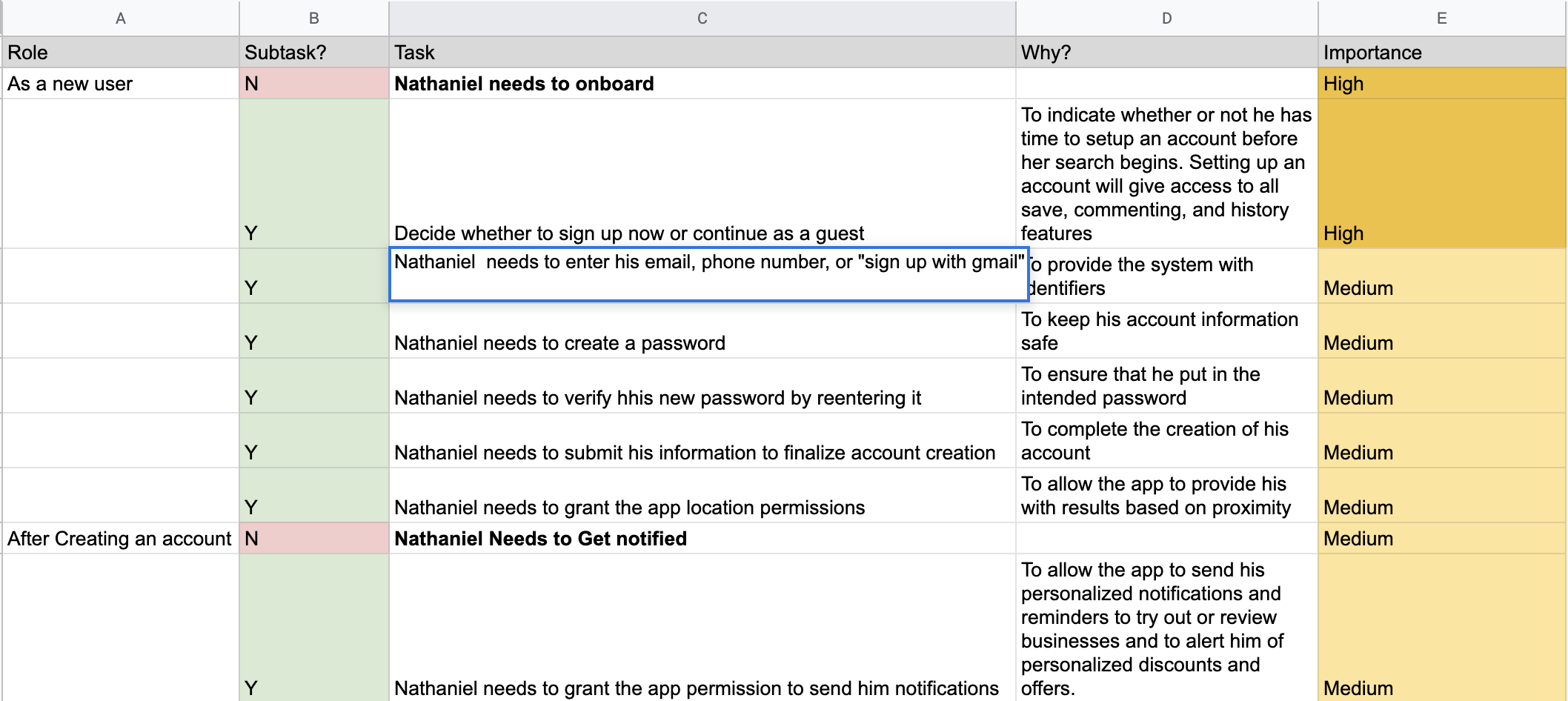
As a new user, Nathaniel needs to onboard. In order to accomplish this goal.
Decide whether to sign up now or continue as a guest to indicate whether or not he has time to set up an account before his search begins. Setting up an account will give access to all save, commenting, and history features.
Nathaniel needs to enter his email, phone number, or "sign up with Gmail" to provide the system with identifiers
Nathaniel needs to create a password to keep his account information safe
Nathaniel needs to verify his new password by reentering it to ensure that he put in the intended password
After Creating an account, Nathaniel needs to get notified. In order to accomplish this goal…
Nathaniel needs to grant the app permission to send him notifications to allow the app to send his personalized notifications and reminders to try out or review businesses and to alert him of personalized discounts and offers.
In order to reach his destination, Nathaniel Needs to find relevant businesses near him. To do this…
Nathaniel needs to input a unique search or initiate a curated search by choosing a category to let the app know what he needs.
Nathaniel needs to view options and compare descriptions, ratings, or other descriptive content to determine his ideal choice to view more details about that business and request directions
Nathaniel initiate navigation to the business to begin his journey
Lastly, Nathaniel needs to supply feedback. To accomplish this, he must
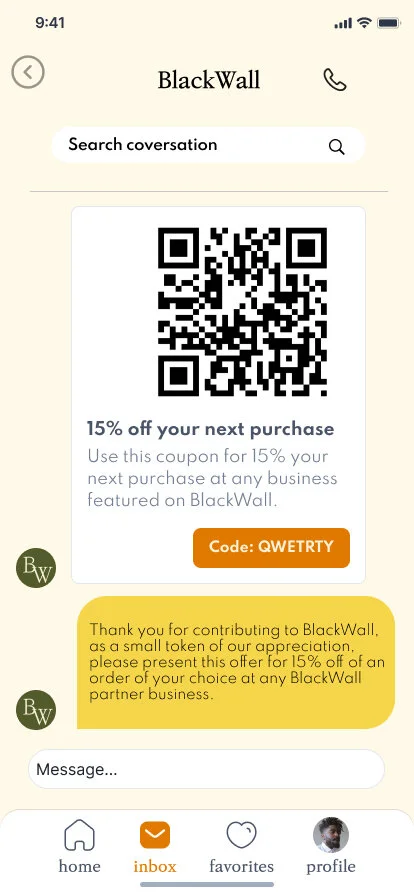
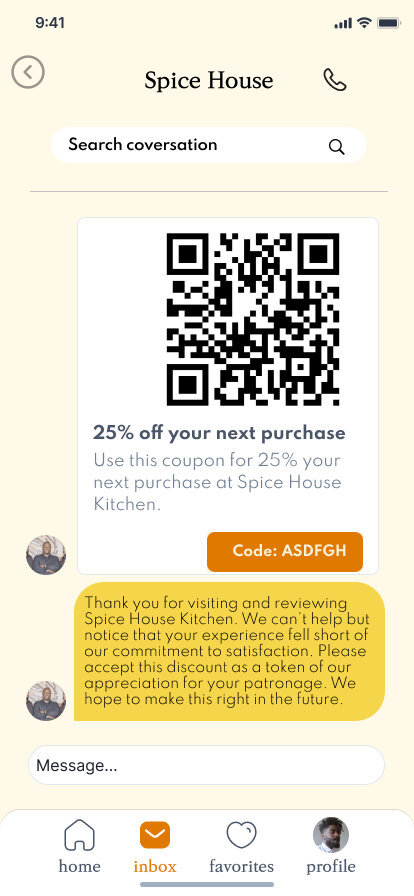
Nathaniel needs to rate the business, leave a review, and/or upvote someone else's review to inform other members of the community about the quality of the business and what to expect and maintain his own rating within the community. Ratings are incentivized through discounts and product offerings.
Some nonessential features…
After arriving at a business, Nathaniel should view offers.
Nathaniel needs to enable notifications and locations so that the app can send him customized offers once he gets to the business
After downloading the app, Nathaniel should nominate businesses.
Nathaniel should nominate businesses to be listed on the app by providing certain business details to the app or allowing business owners to scan his QR code so that any relevant businesses that may not be in the database can be added with the most accurate and up to date details about that business.
By empathizing with the user’s needs through the creation of these stories, I was able to get one step closer to a viable product. The creation of these stories was a valuable tool in realizing what features the user might need to accomplish their ultimate goals and as a jump starter to conceptualizing the structure of the application.
User flows
The next step in my process was to map out how a user might move through the app to complete the tasks outlined in the user stories
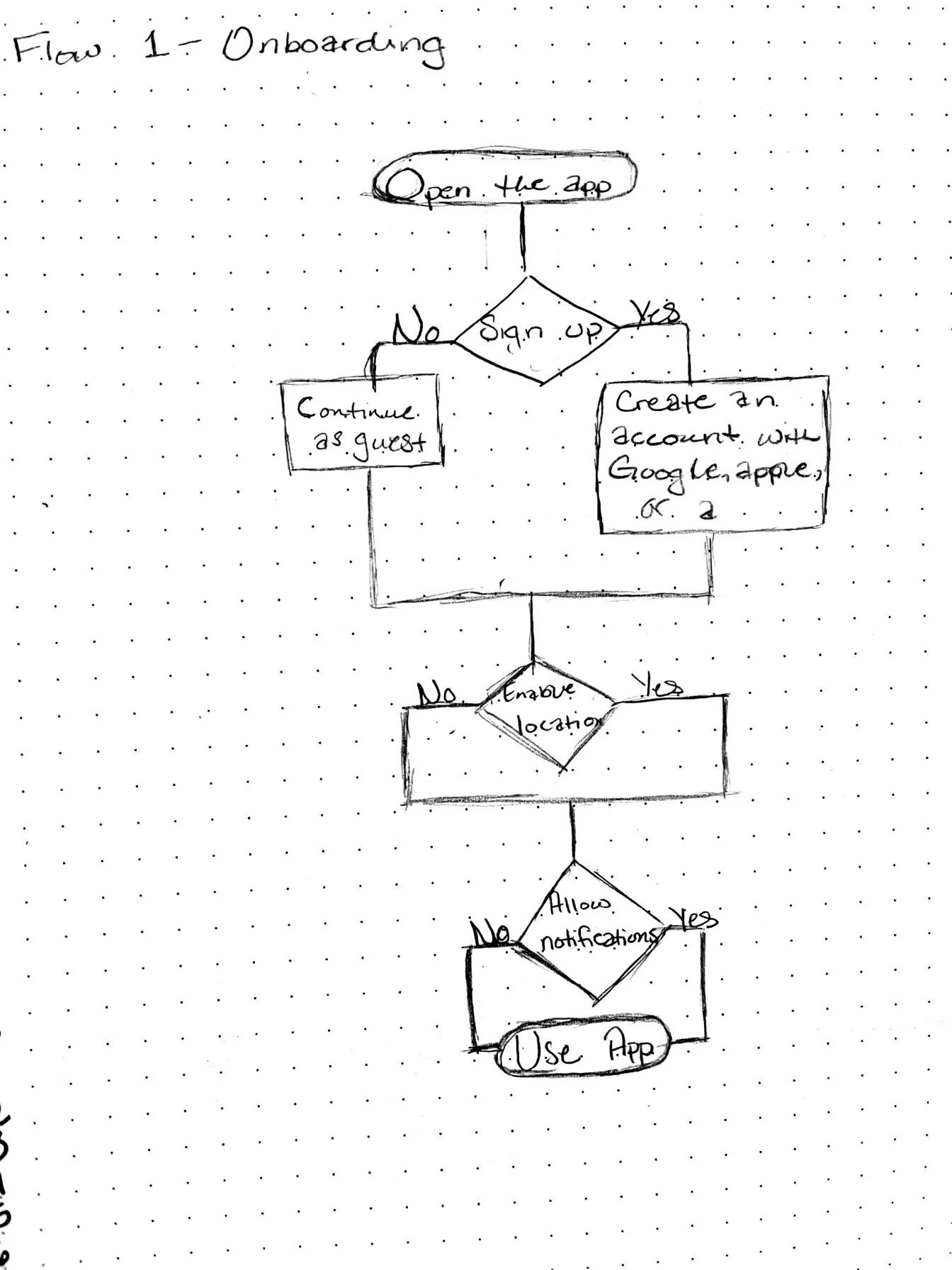
Pictured here is the initial draft of the path a user would take the first time they use the app. After onboarding, the user would automatically be signed into their account unless they want to use their account on another device. Like most apps, if they want to switch devices they would simply need to log in to import all account settings to their new device.
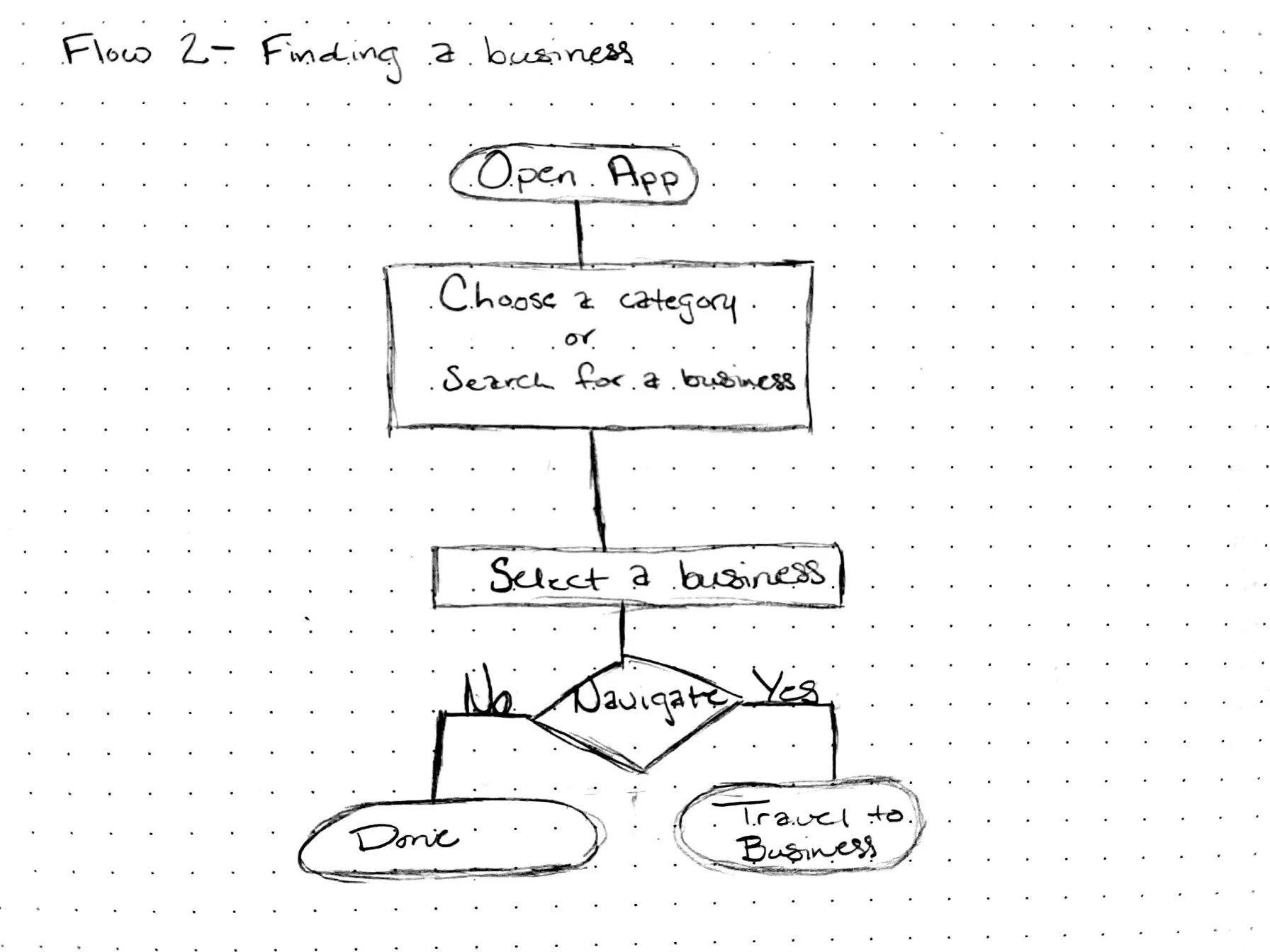
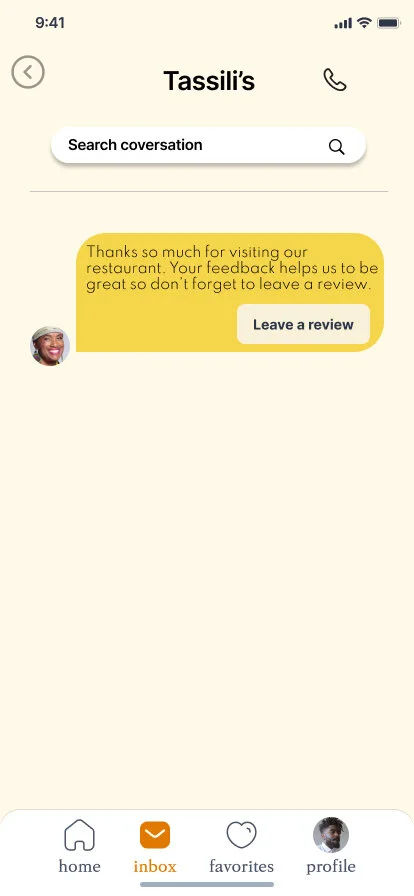
Here is the path a user would take to find a business. After the user navigates to a business or the apps location services detect that a user was at a business, they will be prompted to leave a review of the business via a reminder in their inbox. This reminder would automatically come with 2 alerts, but the user can toggle reminders on and off in the event that they do not wish to see review reminders.
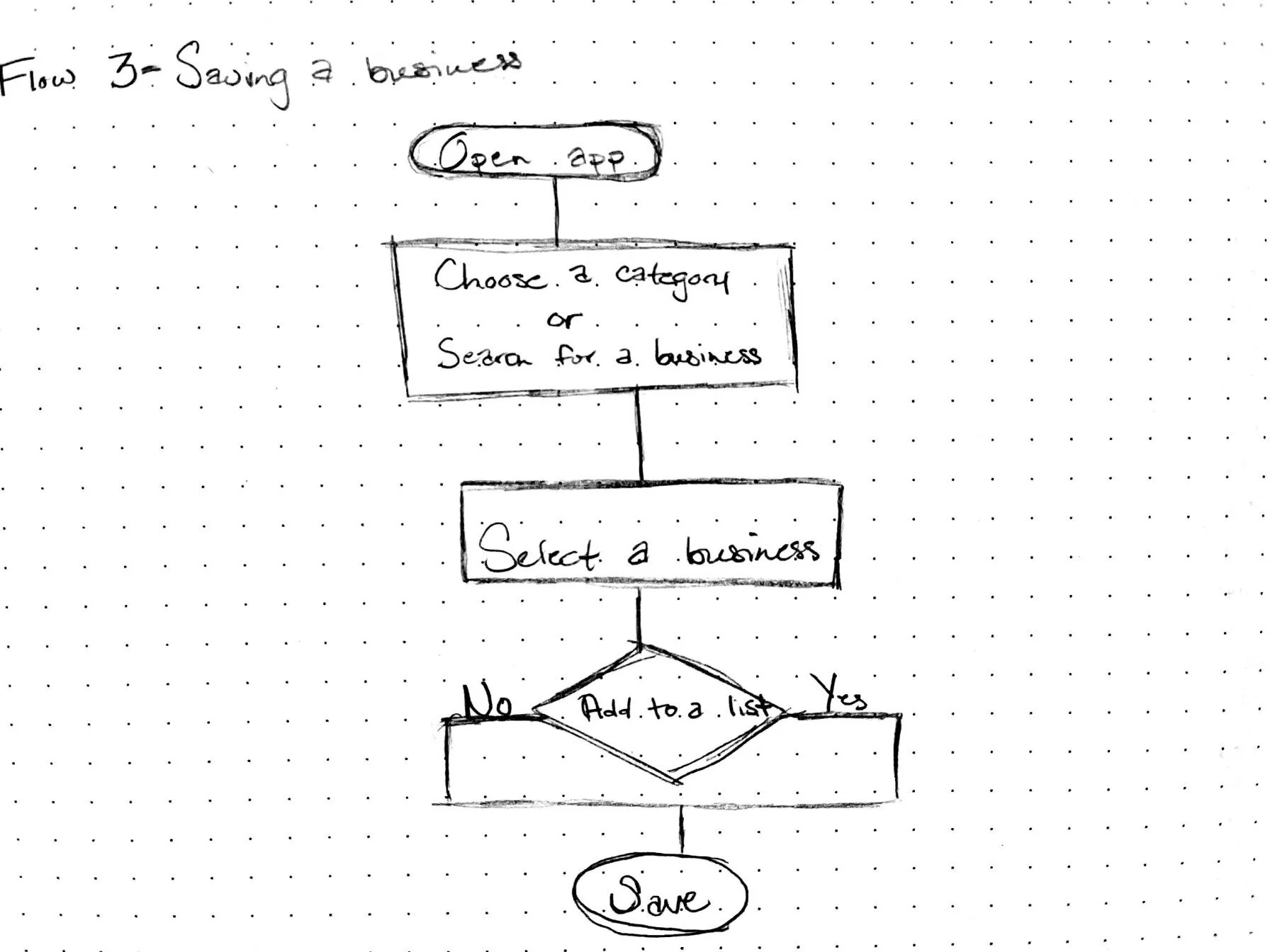
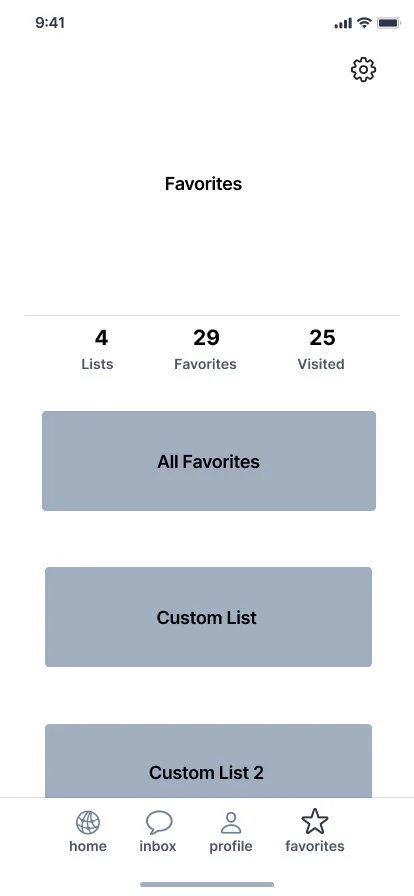
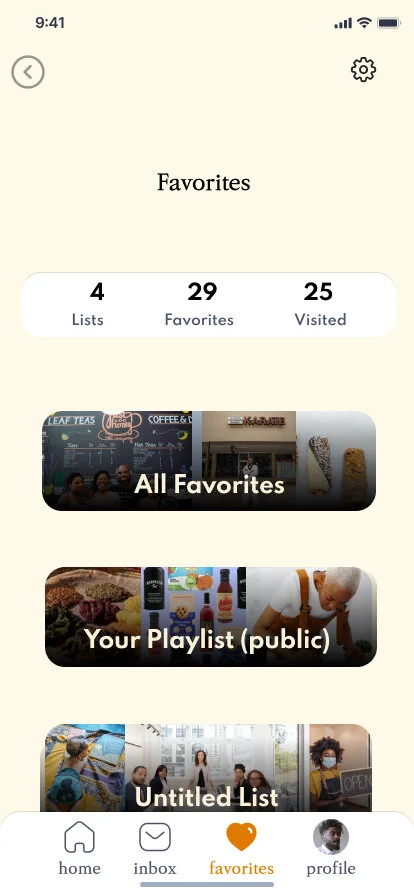
Next, I drafted the flow pattern that a user might use to save a business. After saving the business, the user can either create a list to add the business to or leave the business in a general “favorites” list. Within the favorites list, the user can always edit which list the business is part of and they can add the business to lists simultaneously. In addition, the list view contains 3 default lists which include the unsorted list for “all favorites”, a list that indicates which business the user has patronized, and which ones have not been visited or purchased from yet.
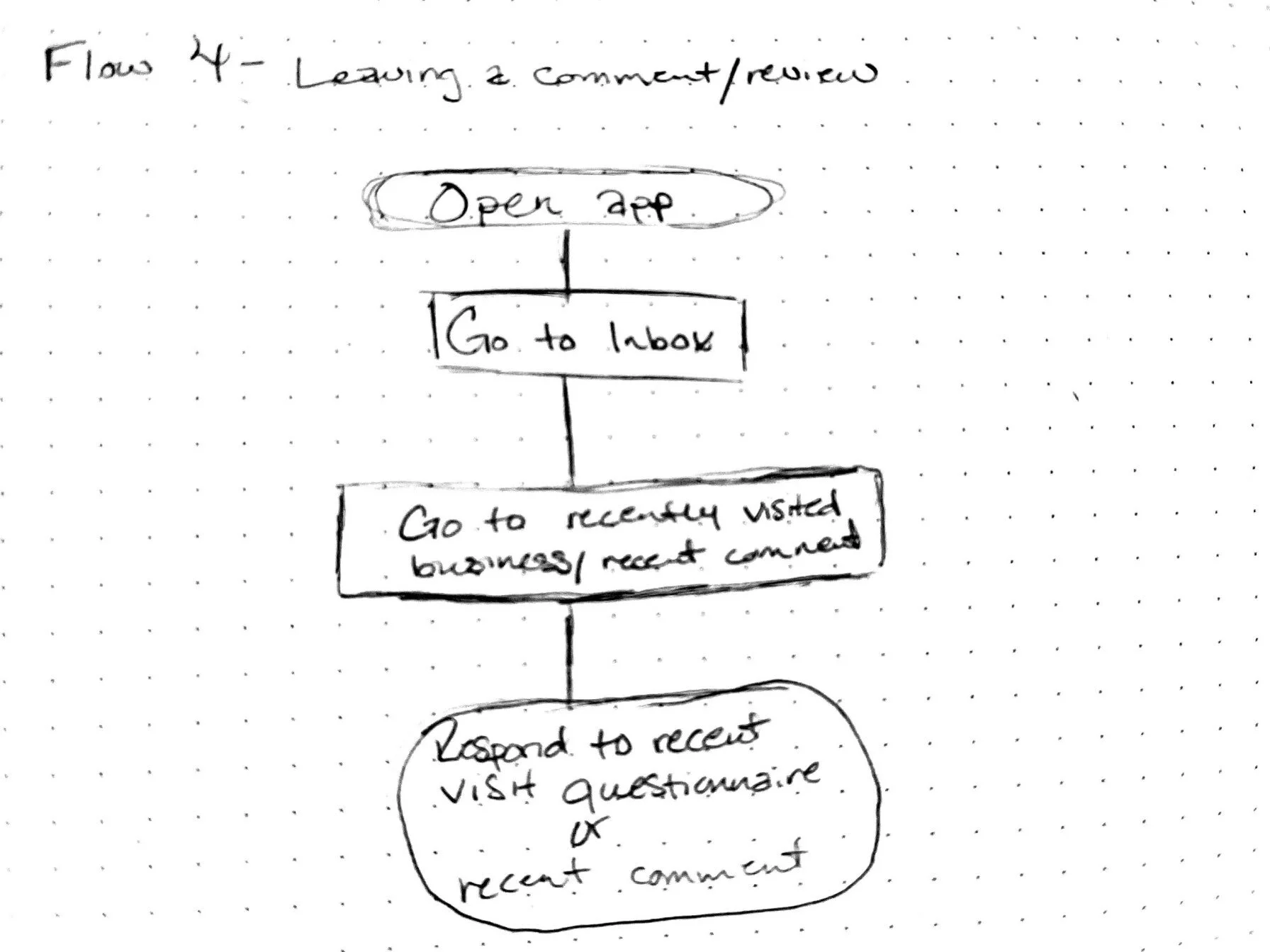
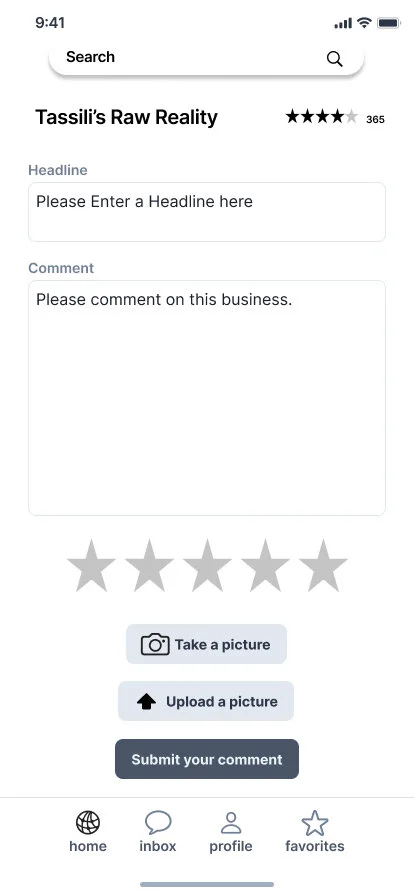
The next flow depicts one of the ways a user would leave a review or respond to someone else’s. The primary method for a user to receive notifications for this action would be in their inbox.
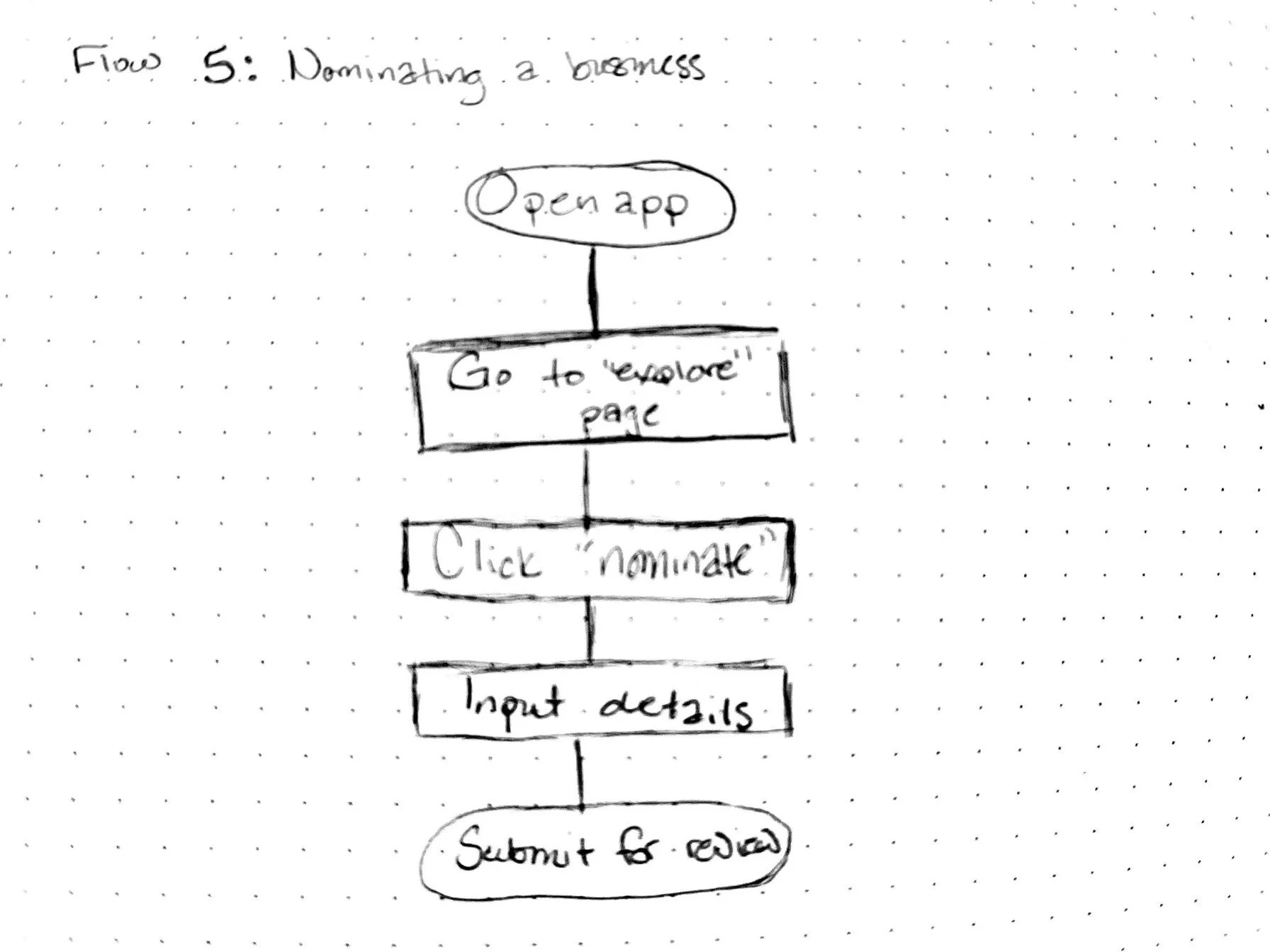
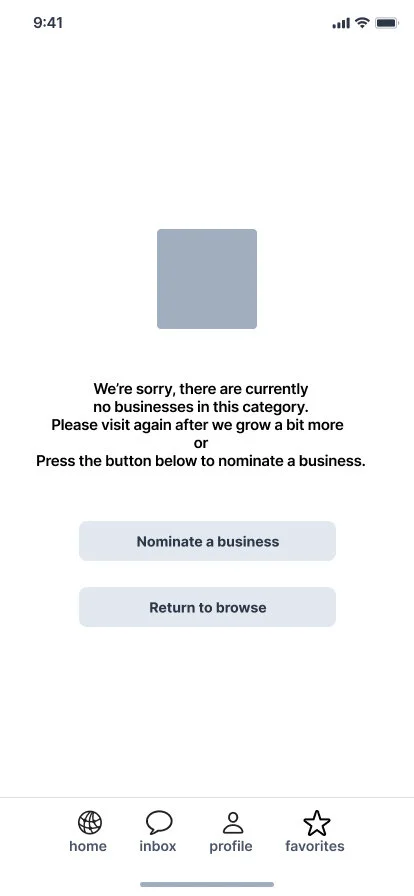
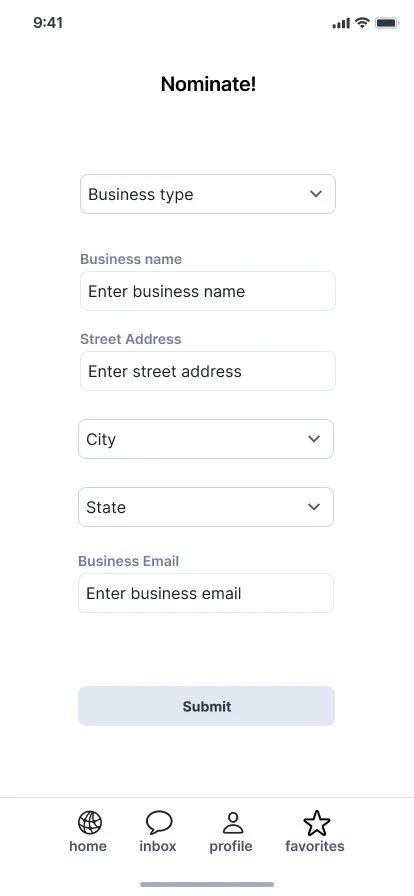
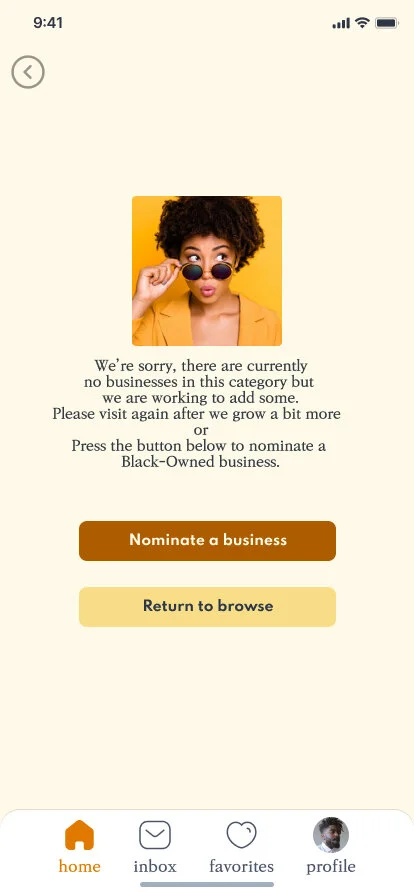
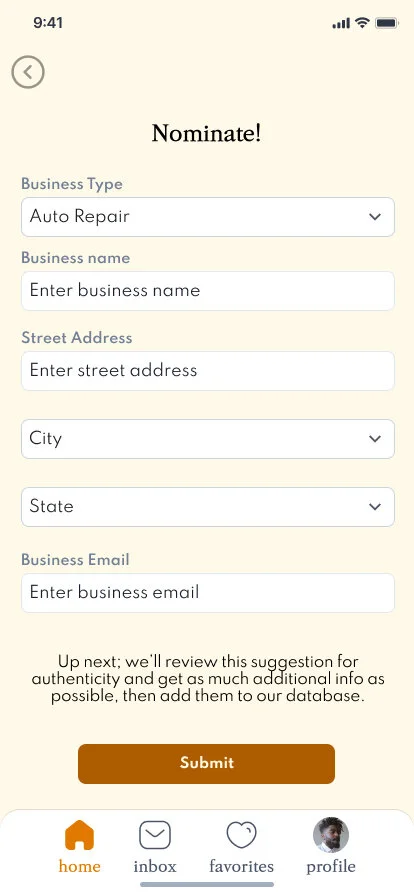
The last but not least important flow that I wanted to demo during this process was the flow which would allow a user to nominate a business. However, the possibility to nominate a business would also be made available if a user selects a category that doesn’t have any entries yet.
Wireframes
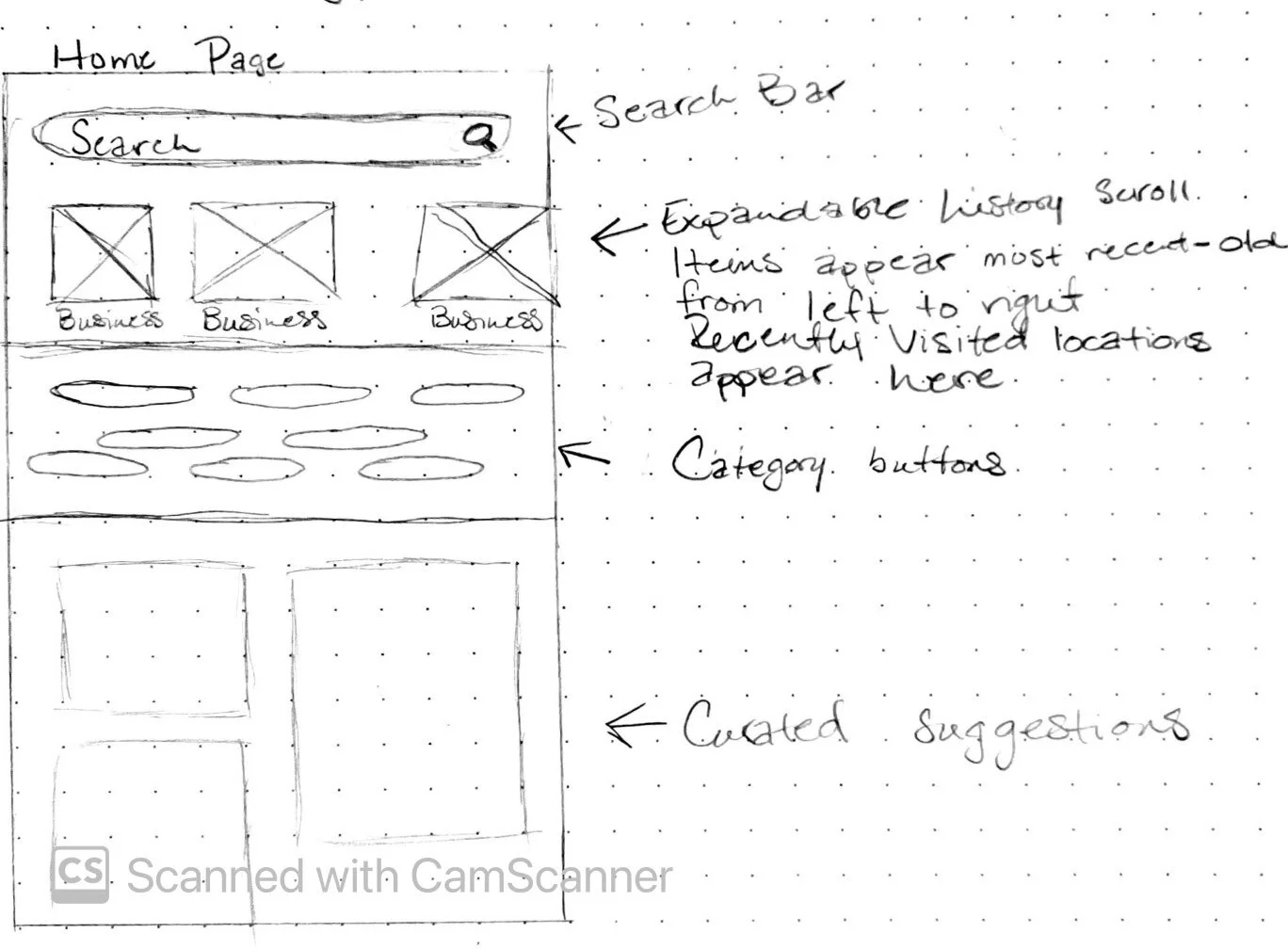
Sketches
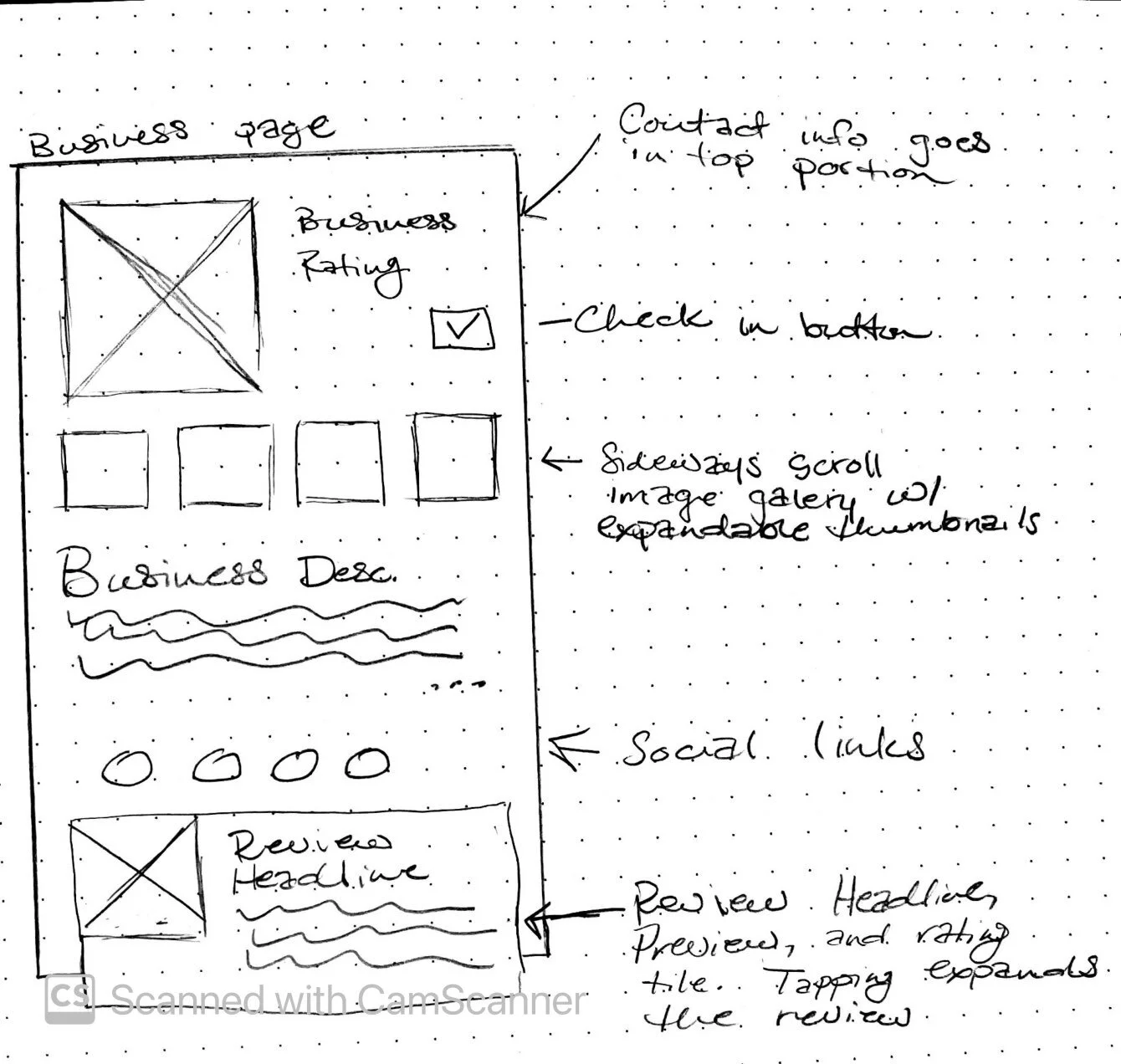
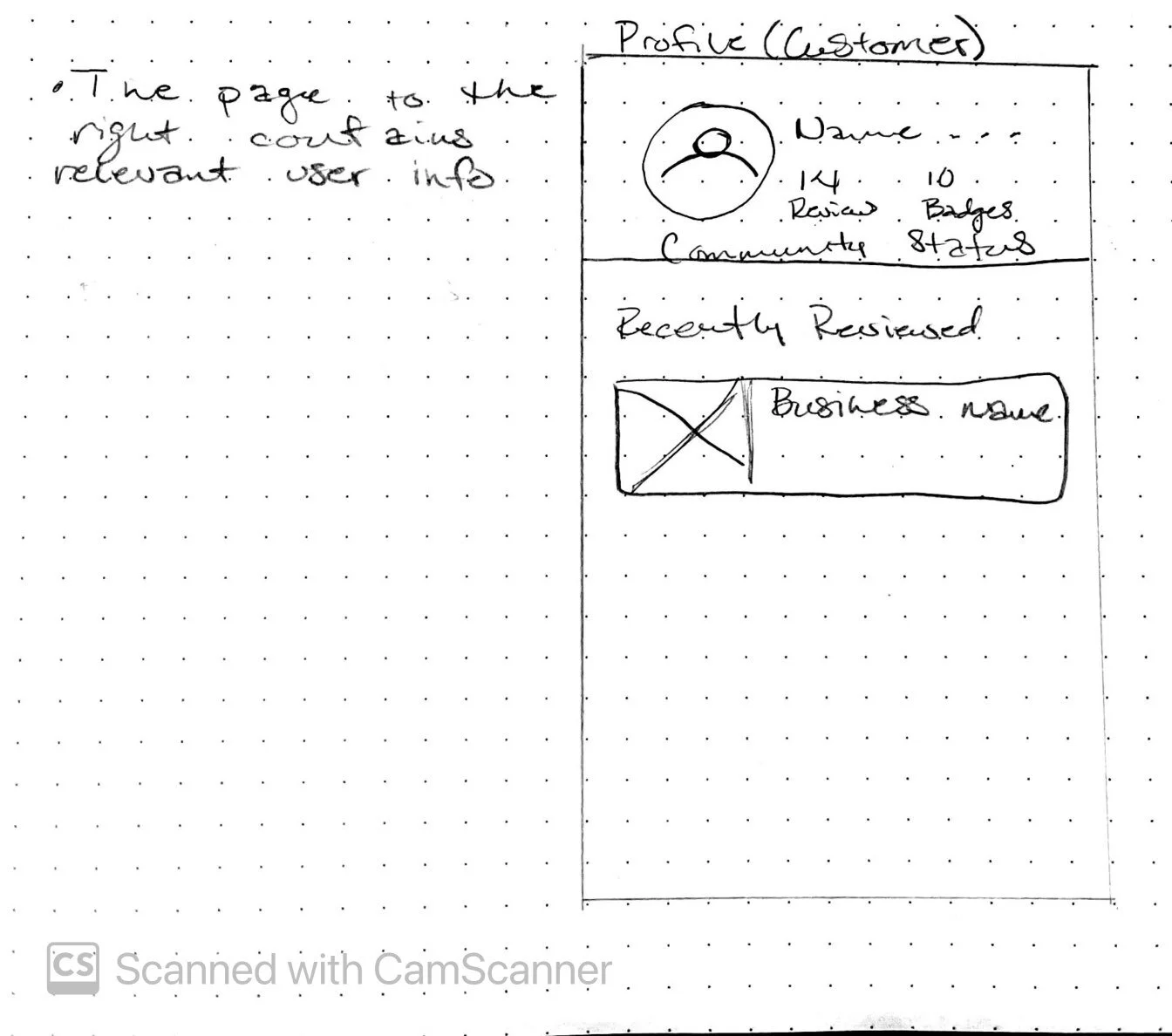
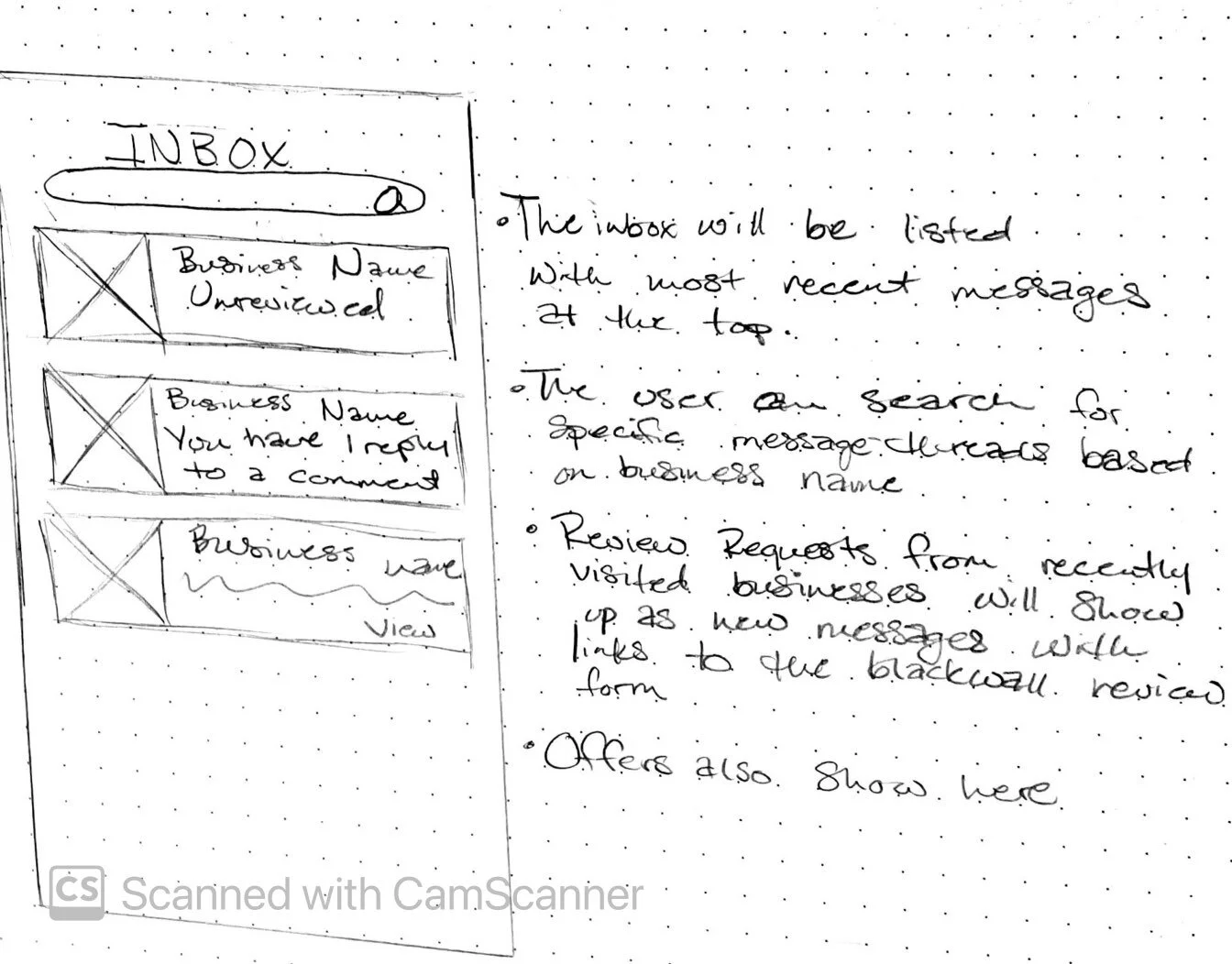
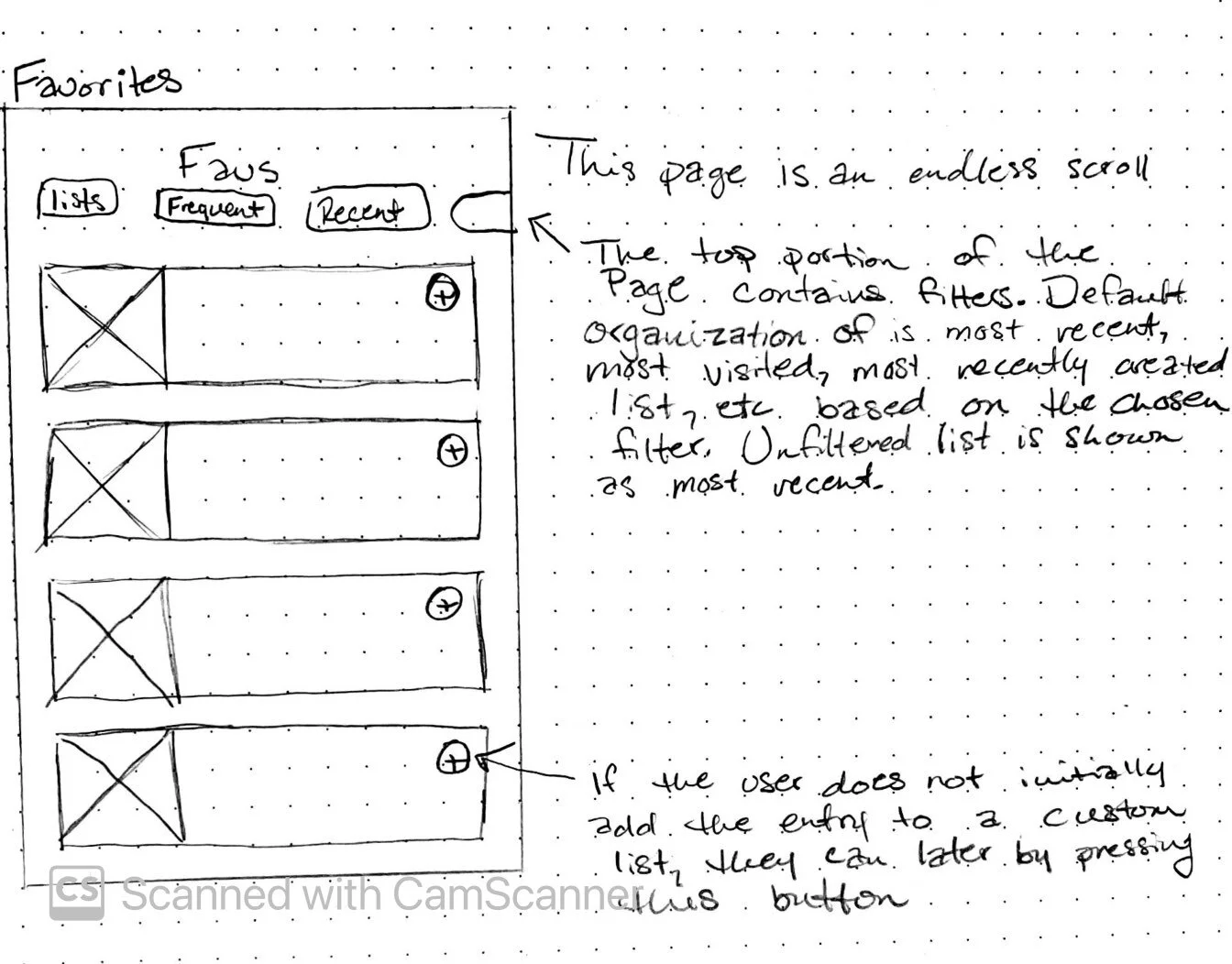
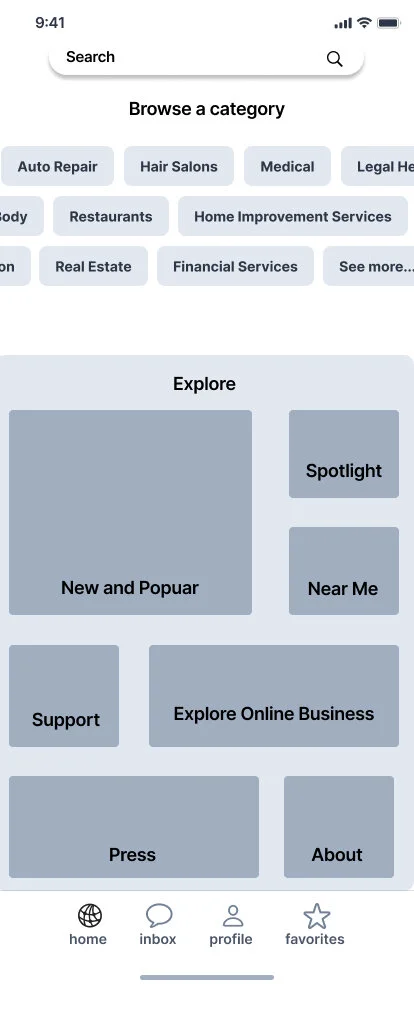
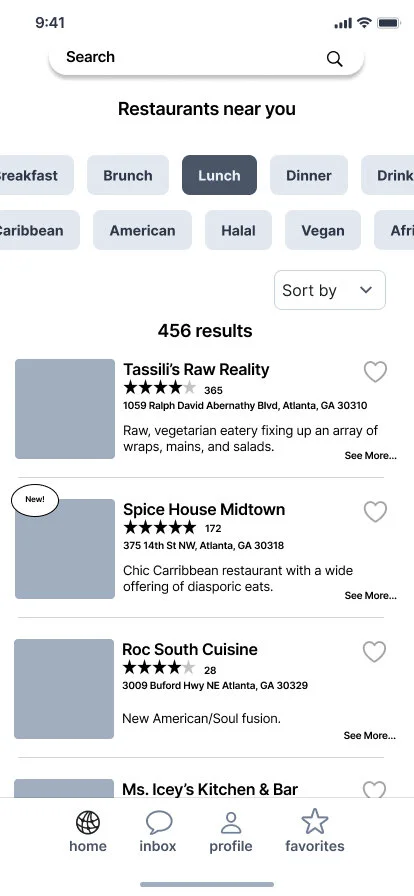
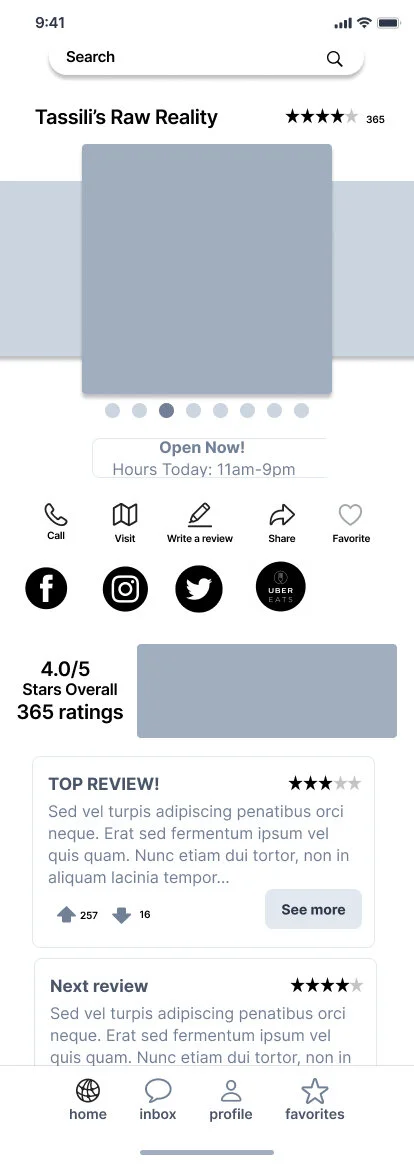
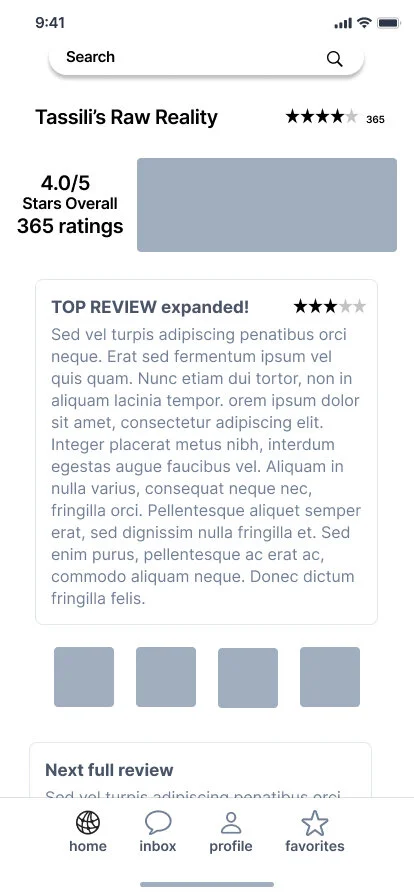
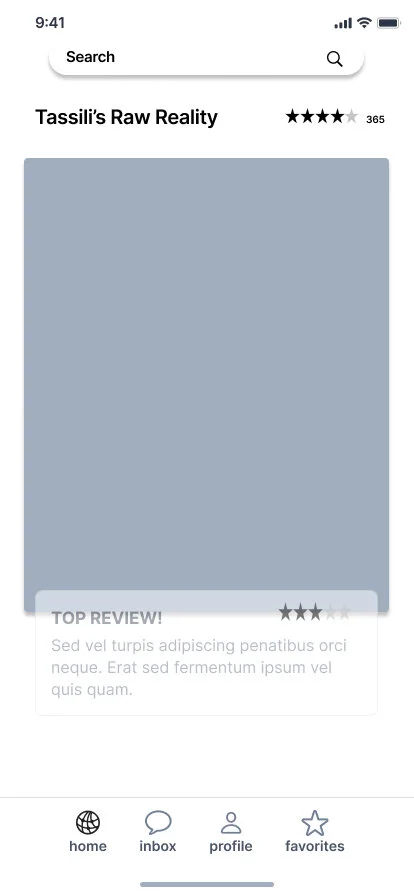
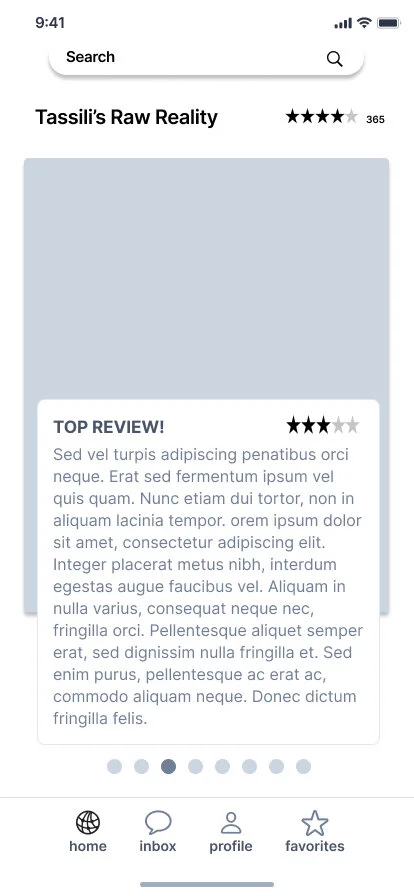
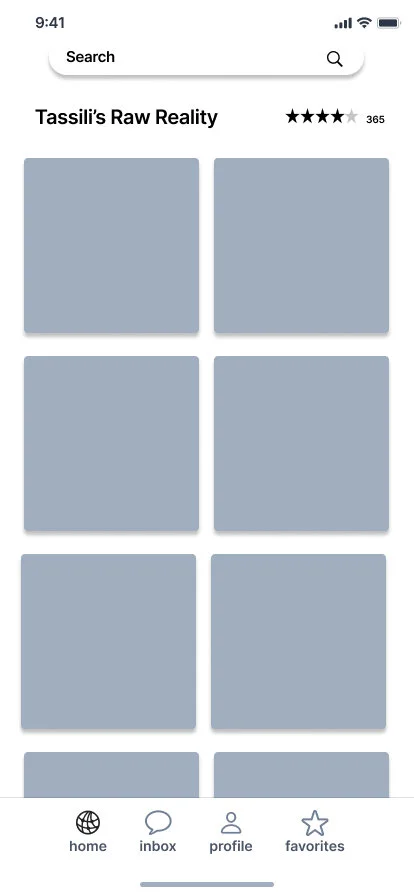
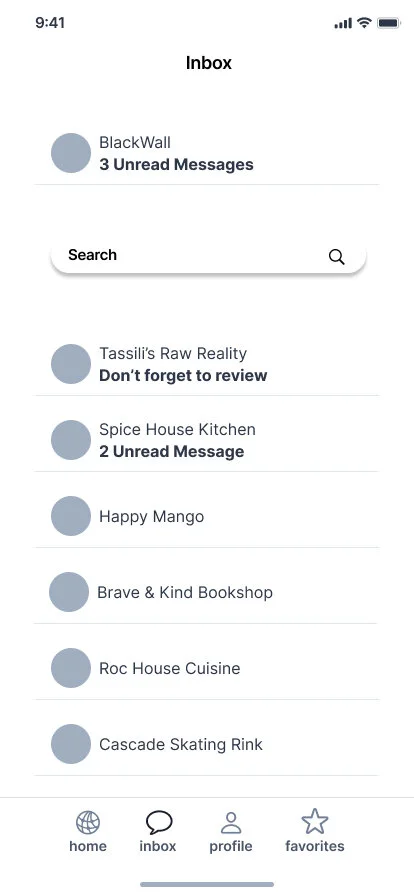
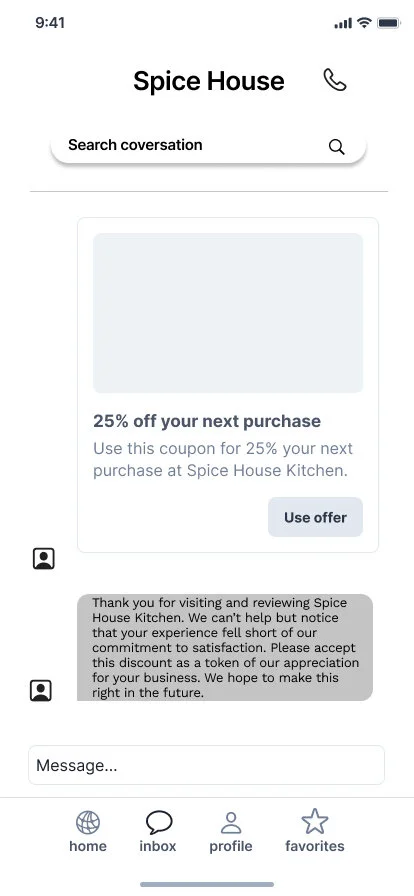
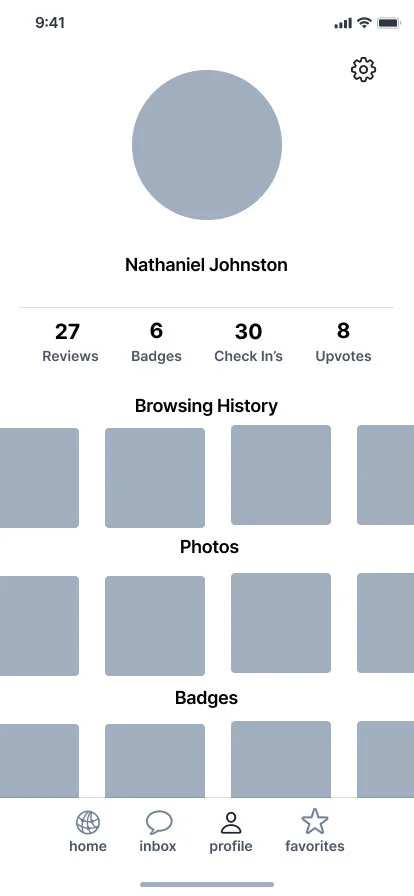
Digital Wireframes
Branding
In terms of verbal branding, the tone of BlackWall is: compassionate, inclusive, uplifting, informative, friendly, empathetic, personable, confident, and accessible. My personal goal is for the app to be part of the everyday lives of its users so I kept these markers that, to me, signify excellent customer service, at the forefront when thinking of design elements to implement.
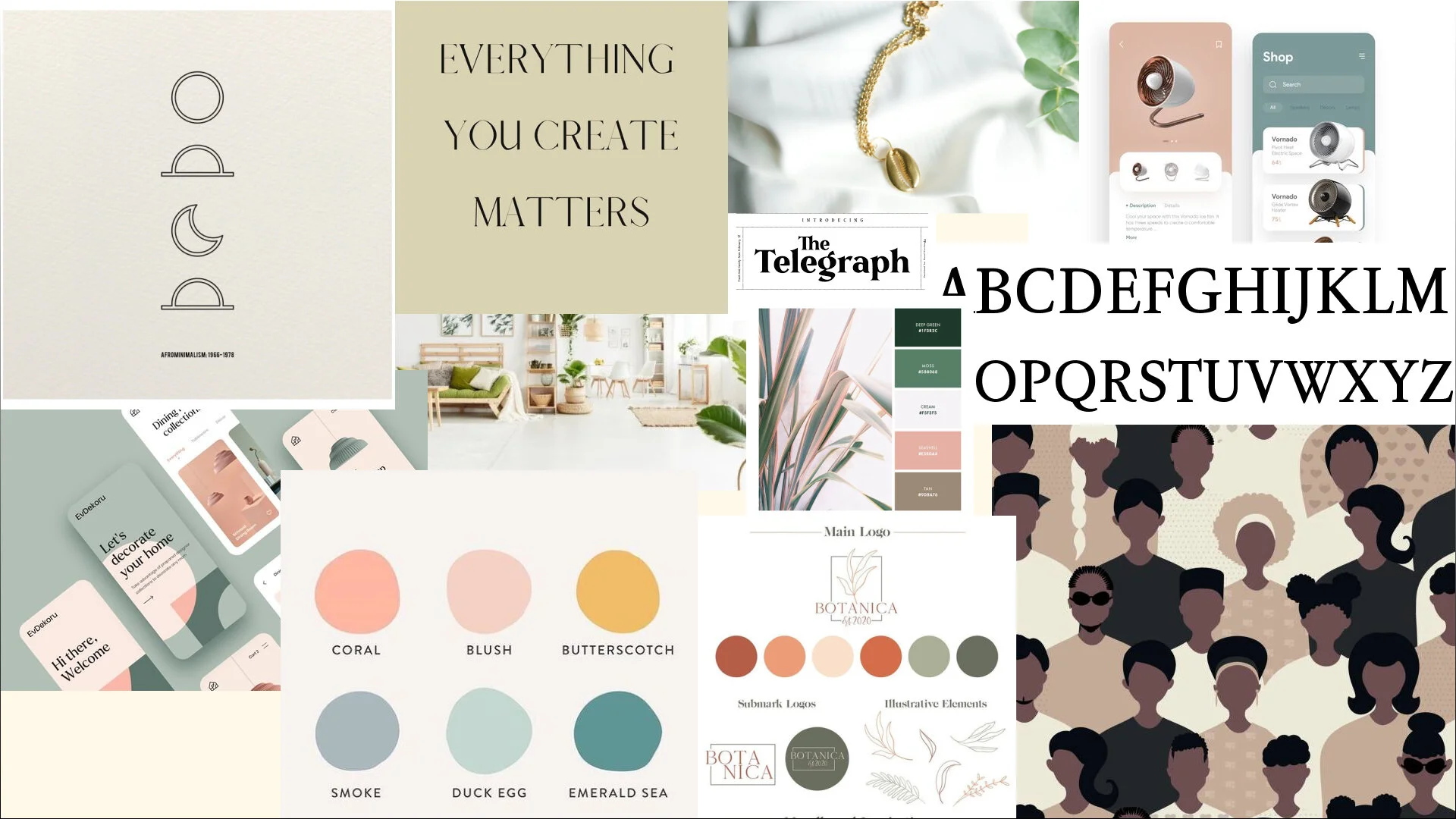
I began my process by gathering some images for a mood board in order to engage my mind's eye. I then took a deep dive into the creation of colors that could help the user to feel that way. By utilizing the basics of color psychology, I narrowed down my color palette into culturally communicable color messages. I began with the palette below and evolved it based on accessibility contrast standards.

Eventually, I came to the palette that you see below. My hope is that this palette contains all of the colors that will be used within the full expression of the application.
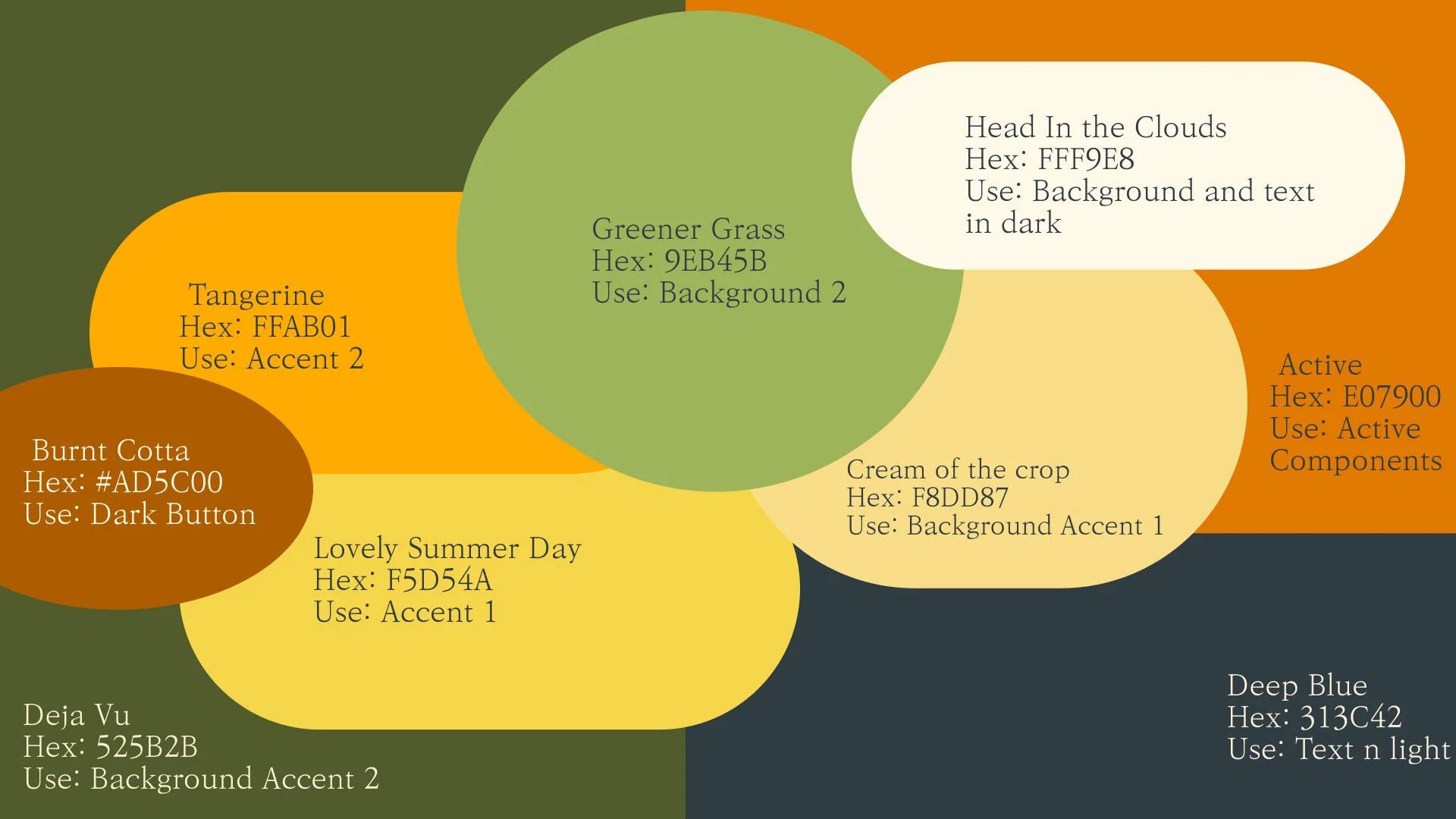
Each of the use cases depicted in the graphic above was also tested via WebAim to ensure accessible contrast.
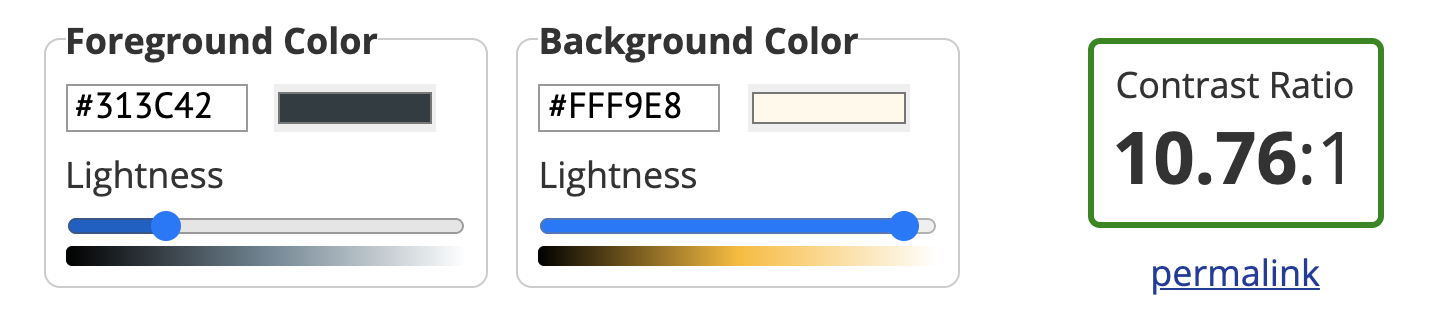
Anywhere that text or essential information appears, there is at least a 4.63 contrast ratio and/or large text is used in accordance with WCAG AAA standards. Here, you see the contrast ratio for the text (foreground) and background color combination that is most commonly used within the app.
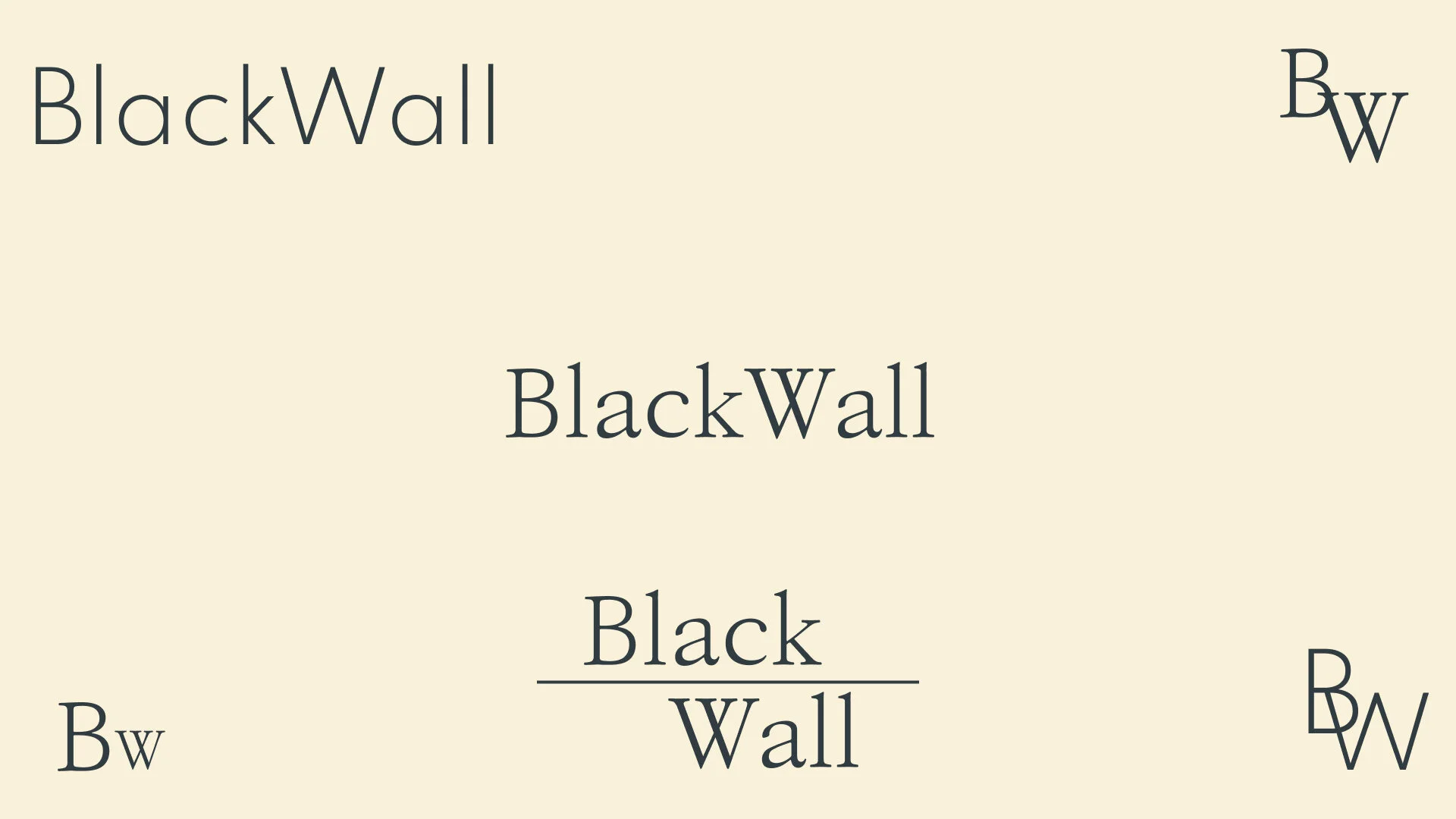
Finally, I came upon the task of defining the parameters for the typographical standards that the app should uphold. Pictured below, is an exploration of a few logo case iterations.
The primary logo pictured below is a classic serif print font. It calls forth feelings of nostalgia, authority, simplicity, and elegance.
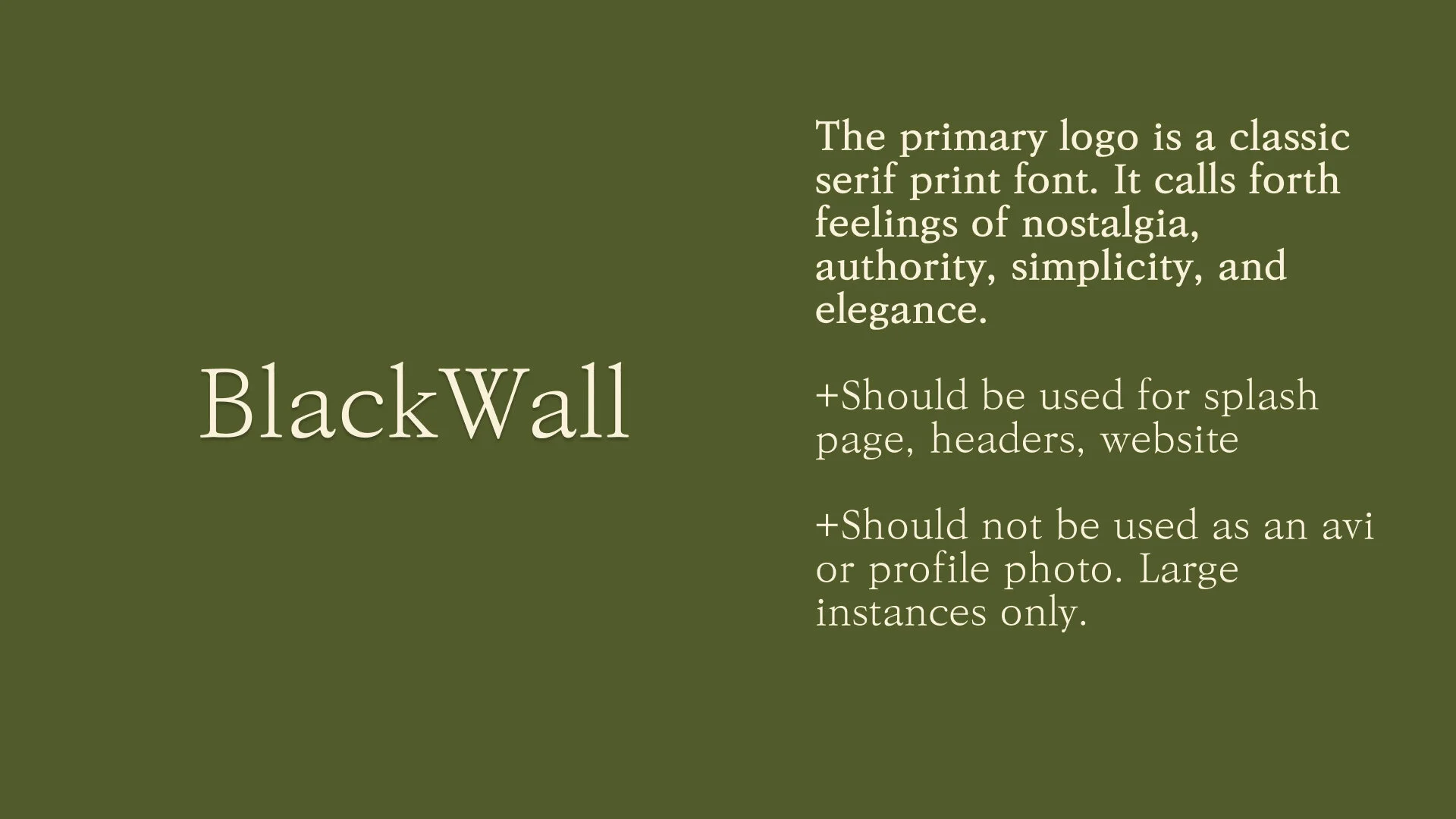
Should be used for the splash page, headers, website
Should not be used as an avi or profile photo. Large instances only.
The secondary logo is a play on the primary and should be used for small merch or large tile instances.
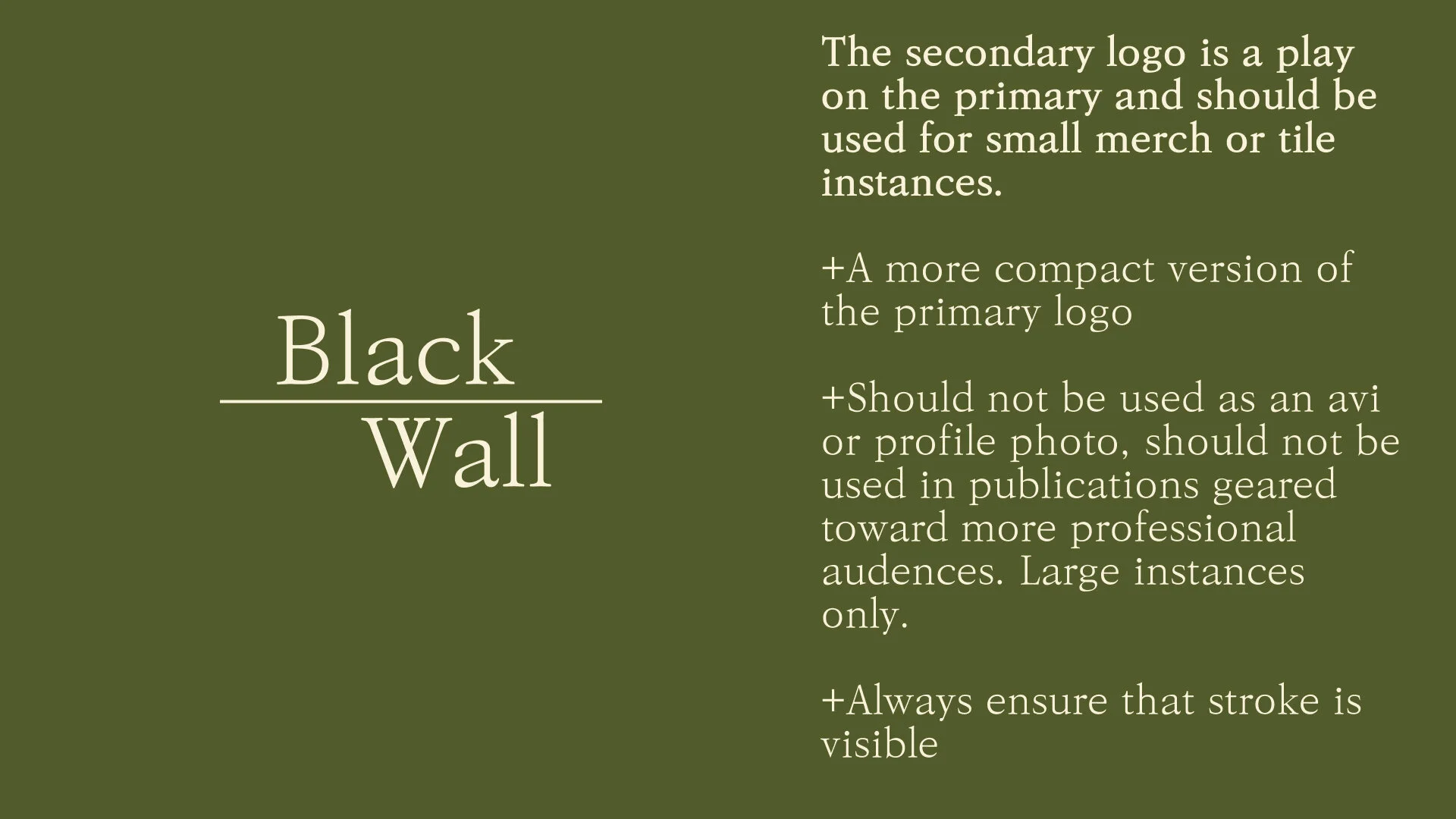
A more compact version of the primary logo
Should not be used as an avi or profile photo, should not be used in publications geared toward more professional audiences. Large instances only.
Always ensure that stroke is visible
Lastly, the Sub-logo is comprised of a simple monogram design
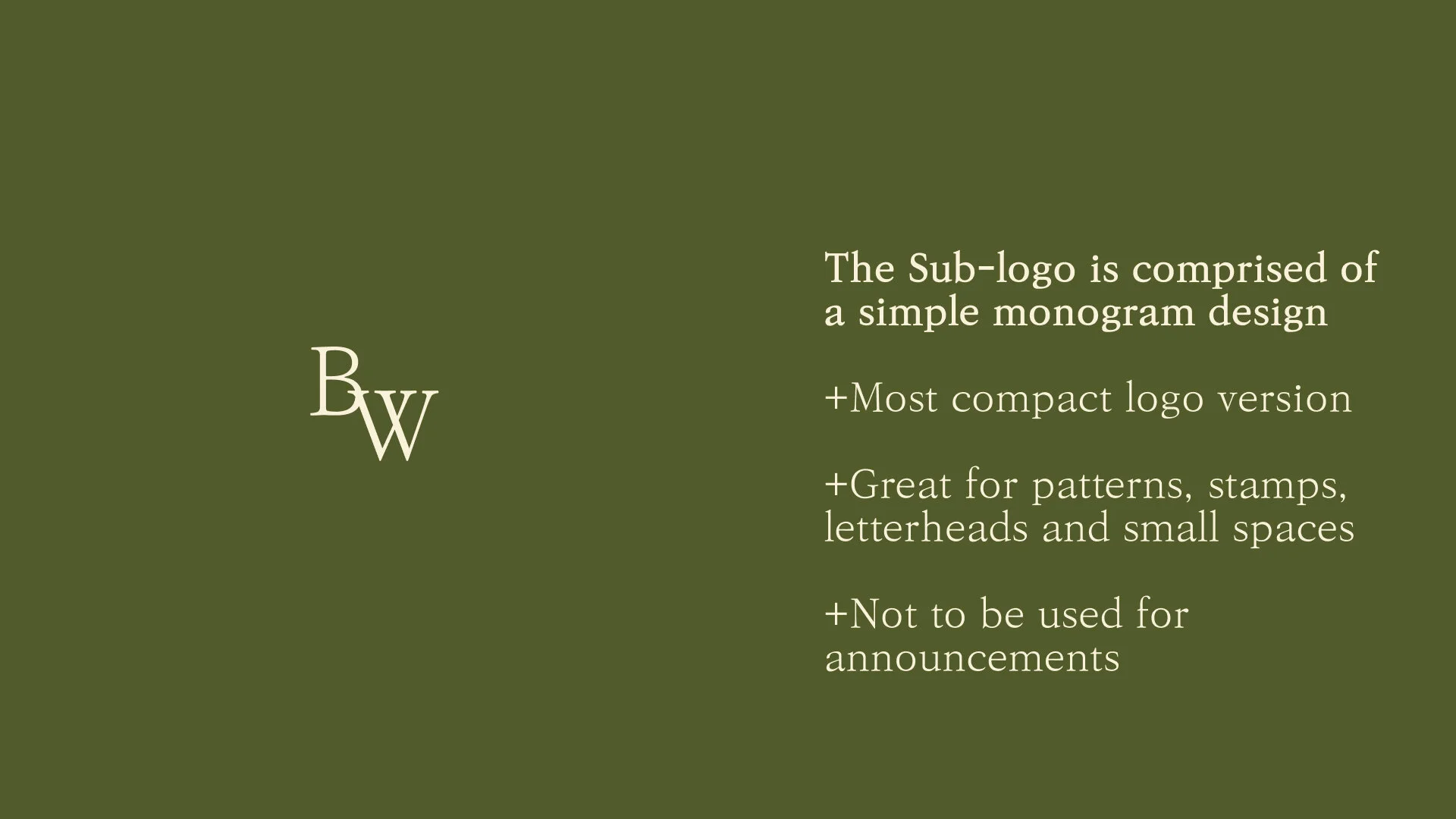
Most compact logo version
Great for patterns, stamps, letterheads and small tile spaces
Not to be used for announcements
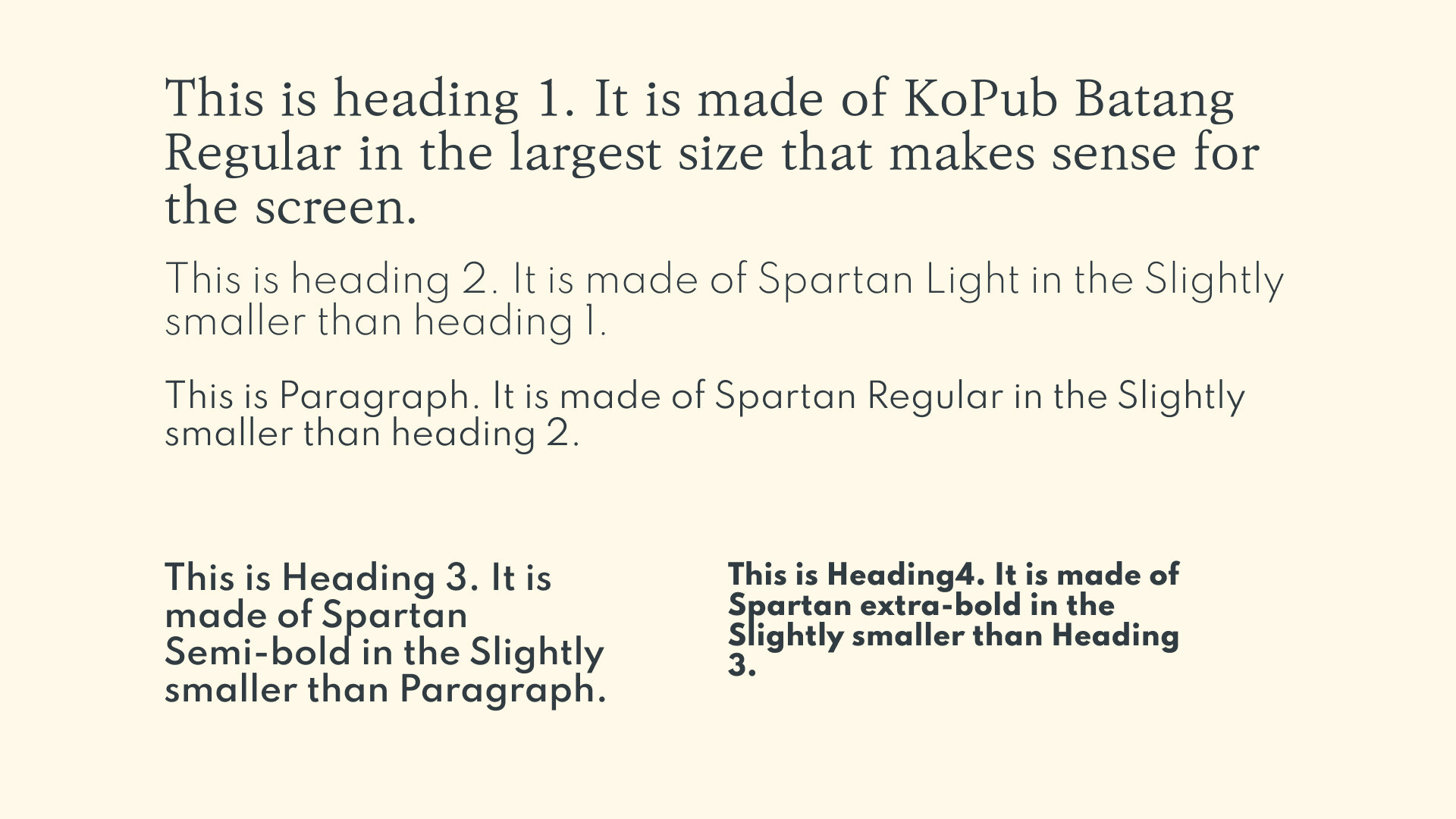
After compiling all of the aforementioned design components, I defined the typography before finally moving on to the mockup process.
Mockups
The next step in the process was to begin implementing UI design aspects as I continued to refine aspects of the layout. All In all, I went through several iterations during the mockup phase, which can be viewed by clicking below:
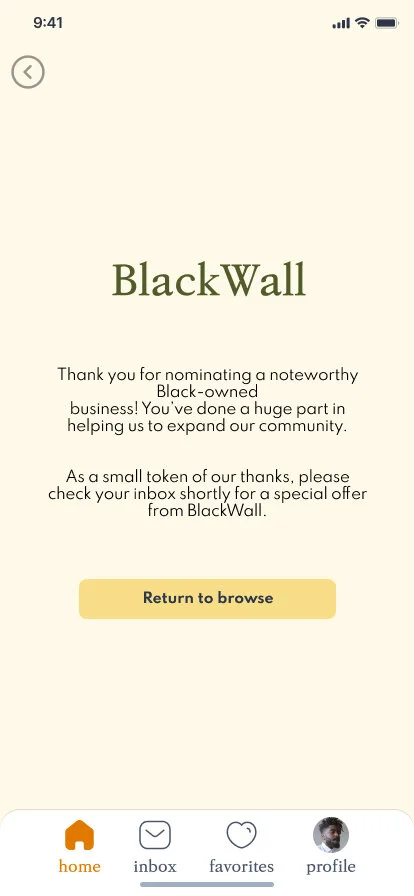
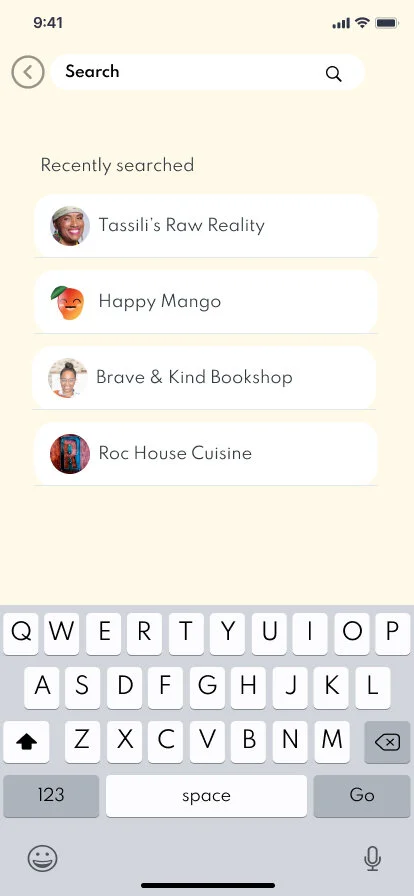
Each of these iterations led me to my final V1 MVP frames detailed below:
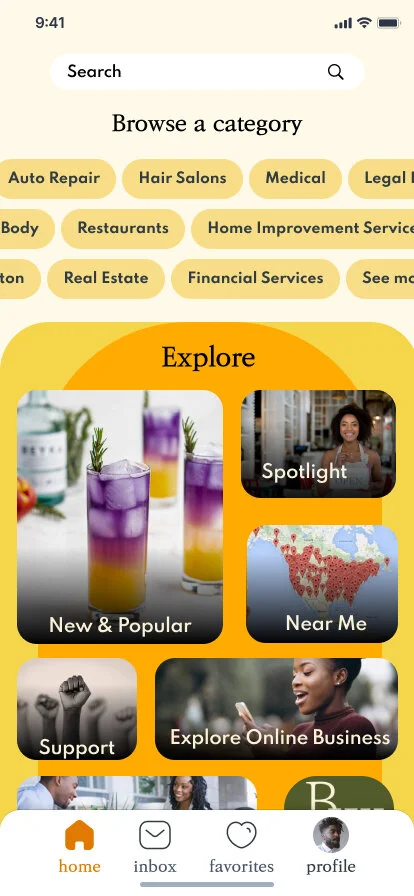
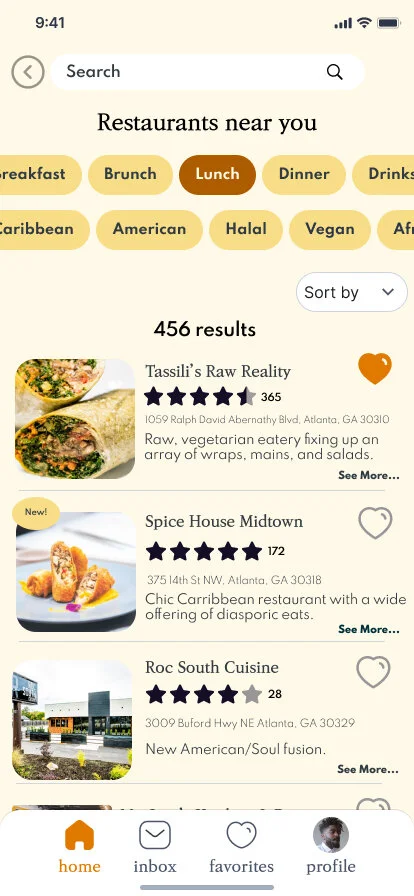
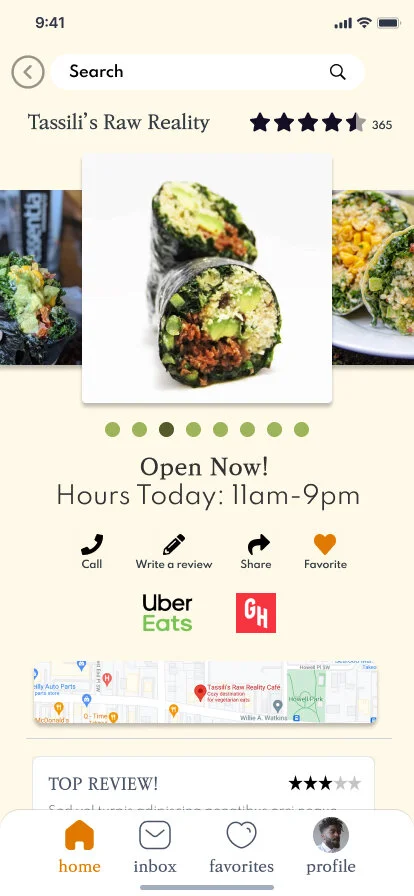
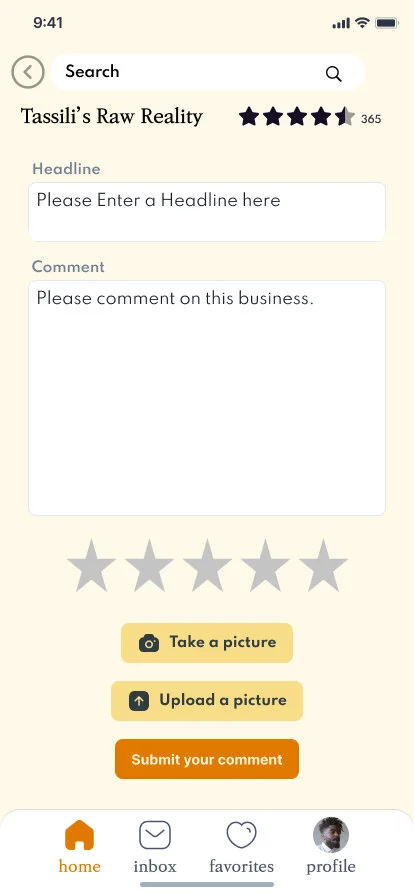
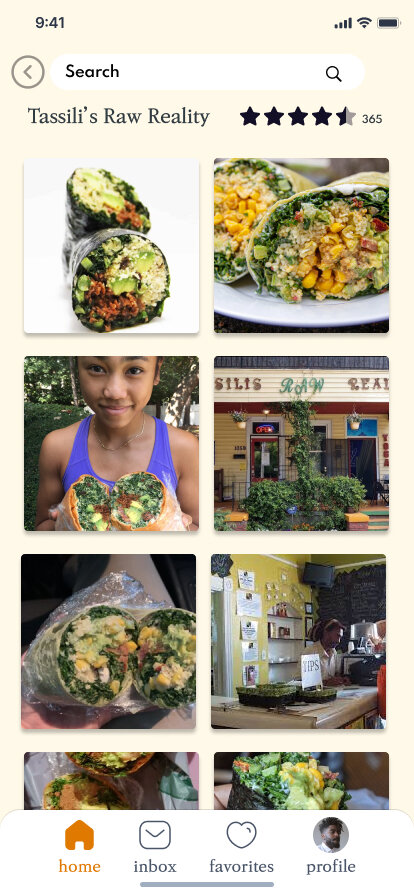

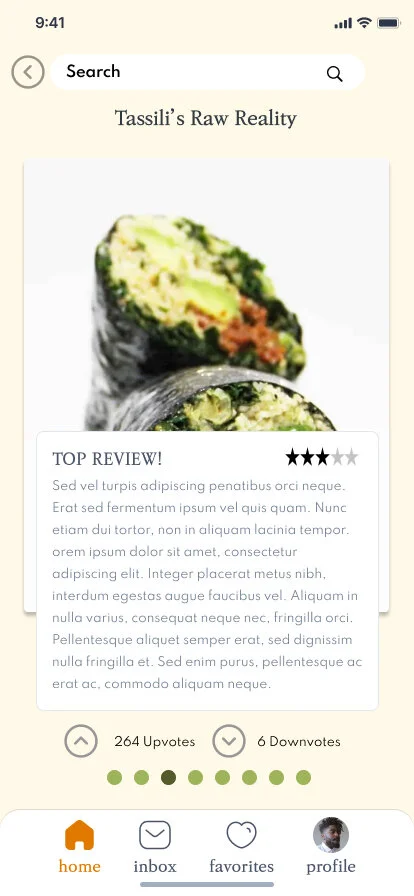
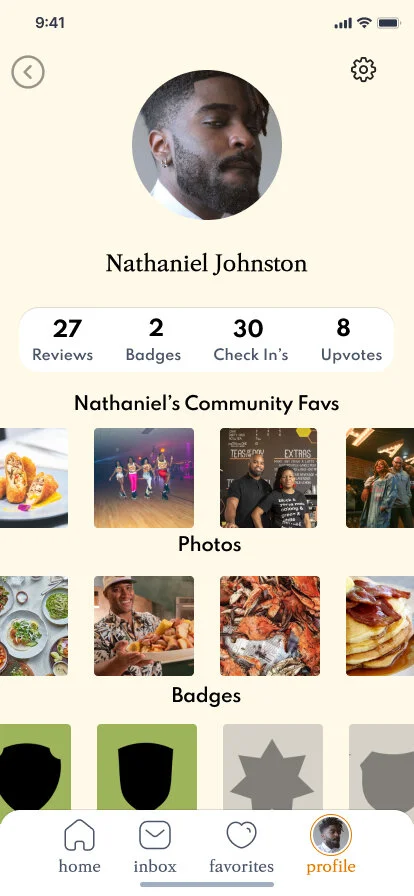
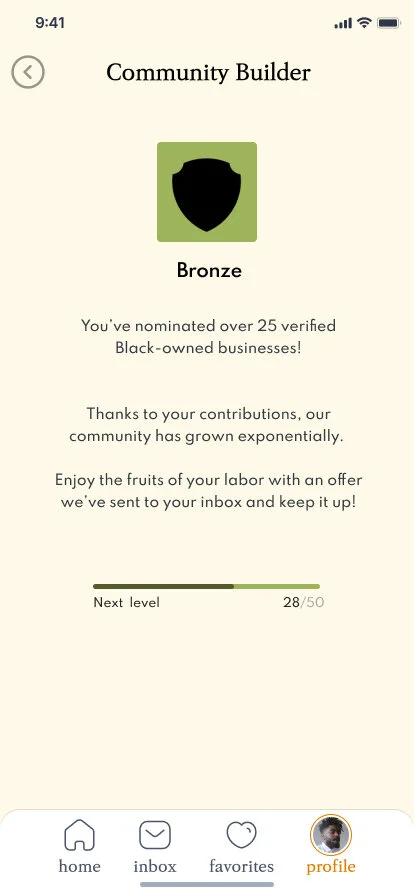
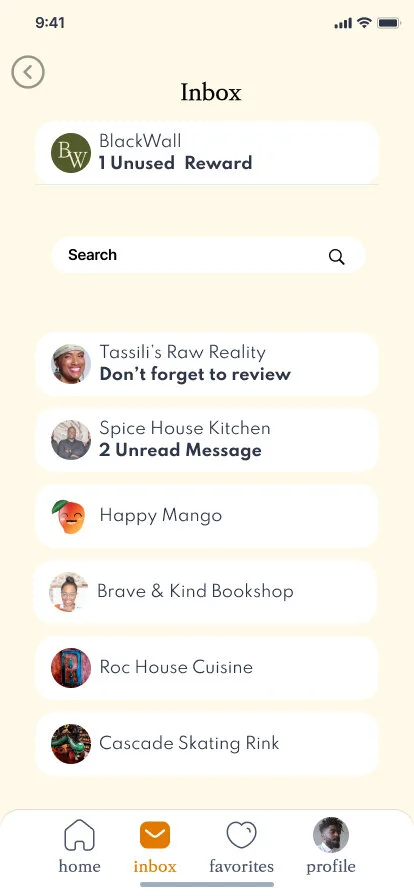
User testing results
While all users were able to seamlessly utilize the final version of the prototype, here are a few of the most meaningful insights that I was provided with throughout the iteration process which led to a few of my design decisions in the final MVP.
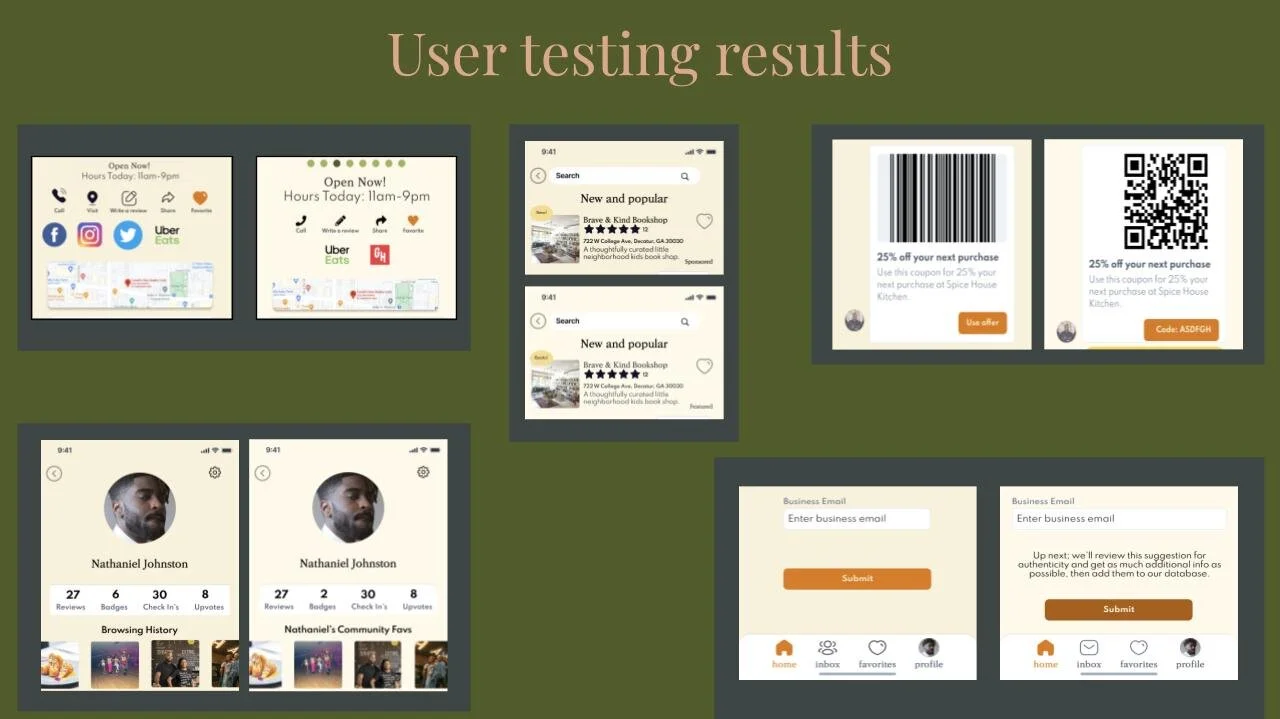
Top (left to right)- Either remove the map or the “visit” button. Users did not know which one to click but expressed no preference between the two options
Remove social links. Social links should be enveloped within the “share” button. Remove that redundancy to give users less information to sort. (redundant)
Indicate categories within New & Popular. Users did not automatically understand the way this page was organized. Add quickly viewable category distinctions to increase perceptibility
Change "sponsored" to "featured". Users express preference against choosing “sponsored” posts because the suggestion feels artificial
Bottom(left to right)- Consider changing "browsing history" here to some sort of curated list that the user can create and share "Nathaniel's Playlist". The users assumed that other users would be able to see the record of everything they’ve viewed. Change this wording to be less invasive.
Users are not immediately sure how suggestions are confirmed. Move the confirmation process stanza to the form page so that users know immediately that all suggestions are vetted for accuracy.
Conclusion
What worked?
One comment that recurred time after time was that users greatly enjoyed the color palette and the use of the pill filters at the top of the home page. I also got good comments about the overall organization. I had a wonderful time bringing the app into its current state and consider it a blessing to have the freedom to fill a void in the market.
What didn't work?
With that in mind, I think that the minute details of the app could benefit from more exploration. According to testing, there’s nothing that is completely inoperable but there are many aspects that I would like to continue to develop in later versions in order to increase the value of the app for its users.
What were my doubts going into the project?
My biggest doubt when entering this project was regarding the amount of time I had to complete the project. Starting out, I was well aware that this project would be a huge undertaking but I felt that it was necessary to at least begin by creating a worthy MVP.
What surprised me the most?
I was most surprised by many of the insights that I gained from users while asking them about competitors. I was astonished to hear about the pain points that the users experienced when dealing with similar apps and the lack of resources available within those apps. Overall, I was most surprised when trying to find an app that more closely mirrored what I wanted to do with BlackWall. The fact that I was unable to find a more direct competitor than those aforementioned both empowered me to strive toward a great product to fill the void while mourning the lack of resources available to the community.
What would I have done differently if given more time?
If given more time, I would dedicate more energy to the smaller aspects of design. As it stands, I personally find that this version of the app could stand to have a bit more character throughout. I would use that additional time to experiment with visual aspects like texture, depth, spacing.
What did I learn while doing this project?
While doing this project, I learned a lot about the hidden features that competitors have to aid in the support of Black-owned businesses. On the positive end, I learned that many outlets contain embedded features that can help users to indicate Black-owned businesses. On the flip side, I found that although many outlets do have a distinction for Black-Owned businesses, not many of these outlets have an actual investigation process to determine if these self-proclaimed Black-Owned businesses are who they claim to be.
How will I use this information in the future?
Moving forward, I plan to use all of the insights gained during this experience to continue to develop the visual aspect and delve further into non-essential features to increase the enjoyability of the app. I’d like to build out the app a bit more in terms of adding opportunities for online businesses to thrive and increasing social capabilities. Overall, I expect this app to positively impact the Black community by enabling users to provide financial support in a much easier way. Ideally, this app will jumpstart an influx of monetary support from users who share the values of the community and recognize the importance of supporting local economies and niche communities. Additionally, my hope is that in the coming years, the brand will be able to expand to provide other forms of community support for a more holistic form of social and economic activism.